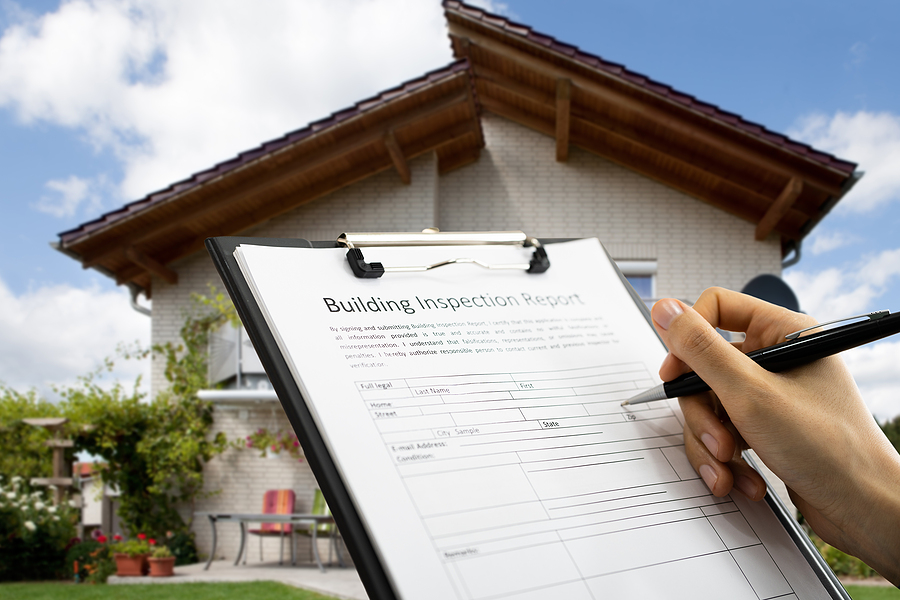

If you’re planning a roof replacement, one of the first questions that usually comes up is, “Do you need a permit to replace a roof in Ohio?”
It’s a smart question to ask, and an important one. The short answer is yes, in most cases, you do need a permit. But, as with many things related to construction, the details can vary depending on where you live and the scope of the project.
Understanding how permits work will help you avoid delays, fines, and potential issues down the road. Let’s walk through what you need to know before starting your roofing project.
Why Roof Replacement Permits Exist
Permits aren’t just paperwork; they serve a real purpose.
When you replace a roof, you’re making a structural upgrade to your home. Local building departments require permits to ensure the work meets current building codes and safety standards.
These codes are in place to protect you as a homeowner. They ensure your new roof can withstand weather conditions, is installed correctly, and won’t cause issues with drainage, ventilation, or structural integrity.
Without a permit, there’s no oversight. That means mistakes can go unnoticed until they become expensive problems.
When a Permit Is Required in Ohio
In most Ohio municipalities, a permit is required anytime you’re doing more than a minor repair.
If you’re replacing the entire roof, or even a significant portion of it, you should expect that a permit will be part of the process.
Here are the most common situations where a permit is required:
- Full roof replacement
- Tearing off existing shingles and installing new ones
- Structural changes to the roof deck or framing
- Adding or modifying ventilation systems
- Switching roofing materials (for example, from shingles to metal)
Even if your project seems straightforward, local building departments typically classify roof replacement as requiring approval.
Situations Where a Permit Might Not Be Needed
Some smaller projects may not require a permit, but these are usually limited to minor repairs.
Replacing a few damaged shingles or fixing a small section of the roof might not trigger permit requirements. However, this depends on the local jurisdiction, and the definition of “minor” can vary.
If the work doesn’t involve structural changes or large sections of the roof, you may not need a permit, but it’s always best to confirm before starting.
Skipping this step can lead to complications later.
How Permit Requirements Vary by City
Ohio does not have a single, statewide rule for roofing permits. Instead, requirements are handled at the local level.
That means cities like Columbus, Cleveland, and Cincinnati, as well as smaller towns, may all have slightly different processes, fees, and inspection requirements.
Some municipalities are stricter than others, and some may require additional documentation depending on the project’s scope.
Because of this, it’s important to work with a contractor who understands the local requirements in your specific area. They’ll know exactly what’s needed and how to navigate the process efficiently.
What the Permit Process Looks Like
For most homeowners, the permit process is handled by the roofing contractor.
The contractor will submit the necessary paperwork, including details about the project, the materials to be used, and the scope of work. Once approved, the project can begin.
After the installation is complete, an inspection is usually required. This ensures the work meets building codes and was done correctly.
While this might sound like an extra step, it actually provides peace of mind. You know your roof has been installed to proper standards and officially approved.
What Happens If You Skip the Permit?
It might be tempting to skip the permit process to save time or money, but this can create serious issues.
If work is done without a required permit, you could face:
- Fines or penalties from your local municipality
- Delays if the project is stopped mid-installation
- Required removal and reinstallation of the roof
- Problems when selling your home in the future
Unpermitted work can also affect your insurance coverage. If something goes wrong, your claim could be denied because the work wasn’t properly approved.
In the long run, skipping a permit almost always ends up costing more.
Who Is Responsible for Pulling the Permit?
In most cases, the roofing contractor is responsible for obtaining the permit.
A reputable contractor will include this as part of their service and handle the entire process on your behalf. This ensures everything is done correctly and in compliance with local regulations.
If a contractor tells you to pull the permit yourself or suggests skipping it altogether, that’s a red flag. It may indicate they’re trying to avoid responsibility or cut corners.
Working with a professional company protects you from these risks.
How Permits Protect Your Investment
It’s easy to think of permits as just another requirement, but they actually play a key role in protecting your investment.
A permitted and inspected roof:
- Meets current building codes
- Is documented for future buyers
- Reduces liability and risk
- Provides confidence in the quality of work
If you ever decide to sell your home, having proper documentation can make the process smoother and more appealing to potential buyers.
Cost of Roofing Permits in Ohio
Permit costs vary depending on your location and the size of the project.
In many Ohio cities, roofing permits can range from around $100 to several hundred dollars. While this is an added expense, it’s relatively small compared to the overall cost of a roof replacement.
More importantly, it ensures your project is done legally and correctly.
Most contractors will include permit costs in your estimate, so there are no surprises.
How Long Does It Take to Get a Roofing Permit?
One of the most common concerns homeowners have is whether getting a permit will slow down their project. In most cases, the process is quicker than people expect.
The timeline depends on your local municipality, but many roofing permits in Ohio can be approved within a few days. In smaller towns, approvals may happen even faster. Larger cities may take a bit longer, especially during busy construction seasons, but roofing permits are generally considered straightforward compared to more complex building projects.
Working with an experienced contractor helps streamline the process. They know exactly what information needs to be submitted and how to avoid delays caused by incomplete applications or missing details.
In many cases, by the time materials are scheduled and the crew is ready, the permit is already in place. When handled properly, the permit process rarely causes significant project delays.
What Inspectors Look for After a Roof Replacement
After your new roof is installed, most permitted projects require a final inspection. This step is designed to confirm that the work meets local building codes and was completed safely.
During the inspection, officials typically look at several key areas. They check that the roofing materials were installed correctly, that flashing and sealing are properly done around penetrations such as chimneys and vents, and that the overall installation matches what was outlined in the permit.
They may also evaluate ventilation to ensure your attic has adequate airflow, which plays a significant role in your roof’s long-term performance.
Passing inspection is more than just a formality. It confirms that your roof was installed to professional standards and provides documentation that the project was completed correctly.
How Permits Affect Home Value and Resale
Permits don’t just matter during construction; they can also impact your home’s value later on.
When it comes time to sell your home, buyers and inspectors often look for documentation showing that major work, like a roof replacement, was completed with the proper permits. It signals that the work was done professionally and meets current building standards.
If a roof is replaced without a permit, it can raise questions. Buyers may worry about the quality of the installation or potential hidden issues. In some cases, it can even delay or complicate the sale process if additional inspections or corrections are required.
On the other hand, a permitted and inspected roof becomes a strong selling point. It shows that the investment was done the right way and gives future buyers greater confidence in the home’s condition.
In that sense, permits aren’t just about compliance; they’re also about protecting the long-term value of your property.
Choosing the Right Roofing Contractor
When it comes to permits, choosing the right contractor makes all the difference.
An experienced roofing company will:
- Understand local permit requirements
- Handle all paperwork and approvals
- Schedule inspections as needed
- Ensure the project meets all codes
At Atlas Roofing & Siding, every roofing project is handled with attention to detail from start to finish, including permits and inspections. That way, you don’t have to worry about navigating the process on your own.
Ready to Start Your Roofing Project?
So, do you need a permit to replace a roof in Ohio? In most cases, yes.
While requirements can vary by city, roof replacement is generally considered a major project that requires approval and inspection. Taking the time to follow the proper process protects your home, your investment, and your peace of mind.
Skipping permits might seem like a shortcut, but it can lead to costly consequences down the road.
If you’re planning a roof replacement and want to make sure everything is done the right way, Atlas Roofing & Siding is here to help. From permits to installation, we handle every step with professionalism and care.
Contact Atlas Roofing & Siding today to schedule your consultation and get started on a roof replacement you can trust.