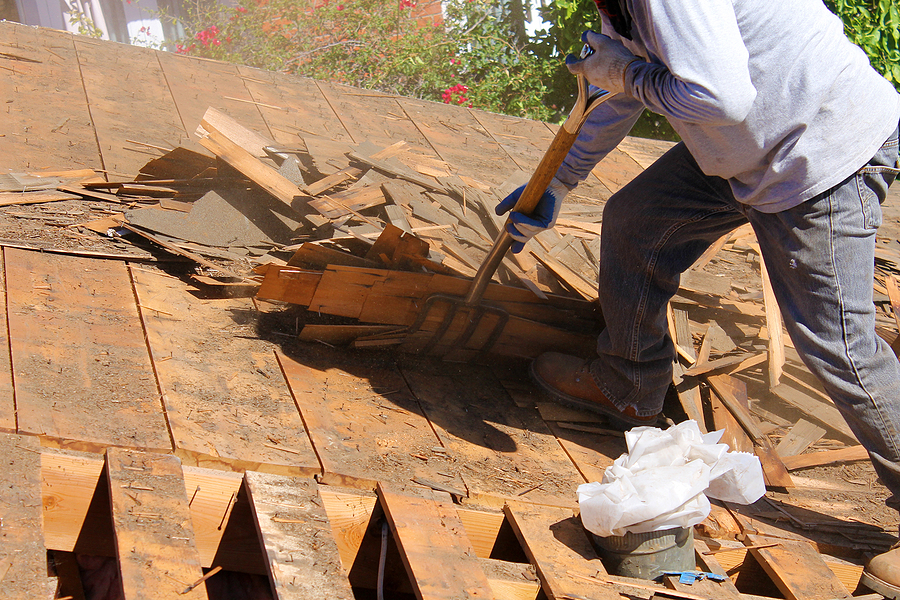

If you are planning a roof repair or full roof replacement in Ohio, permits are one of the most important steps that homeowners often overlook. Many people assume roofing projects are straightforward and do not require much paperwork. In reality, roofing permits play a critical role in safety, compliance, and protecting your home long-term.
Understanding Ohio roofing permits in 2026 can help you avoid fines, project delays, failed inspections, and insurance complications. Whether you are replacing shingles after storm damage or installing a completely new roofing system, knowing how the permit process works will make your project smoother from start to finish.
At Atlas Roofing & Siding, we guide homeowners through the entire roofing process, including permit requirements, inspections, and code compliance. This guide breaks down everything you need to know about roofing permits in Ohio in clear, practical terms.
Do You Need a Permit for a Roof Replacement in Ohio?
In most cases, yes. Many cities and municipalities across Ohio require a permit for roof replacements, major repairs, and structural roofing work. While minor repairs such as replacing a few shingles may not always require a permit, full roof replacements almost always do.
Permit requirements are typically enforced at the local level rather than the state level. This means the exact rules can vary depending on your city, township, or county building department. However, the general standard across Ohio is that any project involving structural changes, decking replacement, or full roofing system installation requires official approval.
Failing to obtain a permit when one is required can lead to stop-work orders, penalties, and complications when selling your home in the future.
Why Roofing Permits Exist in the First Place
Some homeowners see permits as unnecessary red tape, but they serve several important purposes. Roofing permits ensure that all work meets building codes designed to protect your home and your safety.
A permitted roofing project must pass inspections that confirm the following:
- Proper installation methods
- Structural integrity
- Ventilation compliance
- Flashing and waterproofing standards
- Code-approved materials
This process helps prevent substandard work that could lead to leaks, structural issues, or premature roof failure. In a state like Ohio, where roofs must withstand heavy snow, wind, and seasonal storms, proper installation is not optional. It is essential.
How the Roofing Permit Process Works in Ohio
Although the exact steps can vary by municipality, the general roofing permit process in Ohio follows a similar pattern in 2026.
First, the permit application is submitted to the local building department. This application usually includes project details such as the scope of work, roofing materials, contractor information, and property address.
Next, the building department reviews the application to ensure the project meets local building codes and zoning requirements. Once approved, a permit is issued, allowing work to legally begin.
After the roofing work is completed, an inspection is scheduled. The inspector verifies that the installation meets safety and code standards before closing out the permit.
Working with a professional roofing contractor often simplifies this entire process because experienced contractors handle permit applications and inspections on behalf of the homeowner.
Who Is Responsible for Pulling the Roofing Permit?
This is one of the most common questions homeowners ask. In most professional roofing projects, the contractor is responsible for obtaining the permit. However, the homeowner should always confirm this before work begins.
A reputable roofing company will clearly state in the contract whether permits are included in the project scope. If a contractor suggests skipping permits to “save time or money,” that is a major red flag.
Permits protect both the homeowner and the contractor. They create a documented record that the work was completed legally and up to code, which can be important for insurance claims and future property sales.
Roofing Permits and Storm Damage Insurance Claims
Permits become especially important when your roof replacement is tied to a storm damage insurance claim. Insurance companies often require proof that repairs or replacements were completed according to local building codes.
If roofing work is done without a required permit, it can create serious complications during insurance inspections or future claims. In some cases, insurers may even deny coverage for improperly permitted work.
Proper documentation, including permits and inspection approvals, shows that your roof was installed professionally and meets regulatory standards. This adds an extra layer of protection for homeowners dealing with storm-related damage in Ohio.
Common Types of Roofing Projects That Require Permits
Not every roofing project automatically requires a permit, but many do. In Ohio, permits are commonly required for:
- Full roof replacements
- Tear-offs and re-roofing projects
- Structural roof repairs
- Roof decking replacement
- Major ventilation modifications
- Roofline or slope changes
Simple repairs, such as minor shingle patching, may not always require a permit, but it is still wise to check with your local building department or roofing contractor before starting any work.
Local Variations Across Ohio Municipalities
Because building codes and permit requirements are handled locally, roofing regulations can vary from one Ohio city to another. Larger cities often have stricter permitting processes and inspection requirements compared to smaller townships.
For example, urban areas may require detailed documentation, scheduled inspections, and contractor licensing verification. Rural areas may have simpler permit processes, but still require compliance with state building standards.
This local variation is why working with a contractor familiar with Ohio roofing codes is so valuable. They understand the specific permit requirements in your area and can prevent unnecessary delays.
How Long Does It Take to Get a Roofing Permit in 2026?
In most Ohio municipalities, roofing permits are approved relatively quickly compared to other construction permits. Many permits are issued within a few days, while some jurisdictions offer same-week approvals for standard residential roofing projects.
However, timelines can vary depending on:
- Local building department workload
- Project complexity
- Seasonal demand (especially after major storms)
- Application completeness
Submitting accurate documentation and working with an experienced contractor can significantly speed up the approval process.
What Happens If You Replace a Roof Without a Permit?
Replacing a roof without a required permit can create long-term problems that go far beyond fines. Some of the most serious consequences include failed inspections, stop-work orders, and legal complications.
If unpermitted work is discovered, homeowners may be required to:
- Pay retroactive permit fees
- Schedule inspections after the fact
- Remove and redo non-compliant work
- Face delays in selling the property
Unpermitted roofing work can also show up during home inspections when you try to sell your home. Buyers and lenders often request permit records to confirm that major renovations were completed legally.
Roofing Code Requirements in Ohio
Ohio roofing projects must follow building codes that address safety, durability, and weather performance. These codes cover areas such as underlayment installation, fastening methods, ventilation standards, and ice barrier requirements.
Given Ohio’s climate, proper ventilation and moisture control are especially important. Ice dams, condensation, and snow loads can cause serious damage if roofing systems are not installed according to code.
A permitted roofing project ensures that these technical requirements are reviewed and approved by an inspector, reducing the risk of long-term structural issues.
How Professional Contractors Simplify the Permit Process
Navigating permits on your own can be confusing, especially if you are unfamiliar with local regulations. Professional roofing contractors streamline the process by handling paperwork, scheduling inspections, and ensuring code compliance from the start.
At Atlas Roofing & Siding, we manage the permitting process so homeowners do not have to deal with complicated applications or regulatory details. Our team ensures that every roofing project meets local Ohio building codes and passes all required inspections.
This not only saves time but also provides peace of mind that your roof is installed correctly and legally.
Planning for Your Roofing Project in 2026
If you are considering a roof replacement or major repair this year, planning for permits is a smart move. Scheduling inspections, securing approvals, and coordinating timelines early can help prevent unexpected delays during peak roofing seasons.
Spring and summer tend to be the busiest times for roofing projects in Ohio, especially after storm damage. Applying for permits early ensures your project stays on schedule and avoids backlog issues with local building departments.
Schedule Your Roofing Project With Confidence
Roofing permits may seem like a small administrative step, but they play a major role in protecting your home, your investment, and your safety. Ensuring your project is properly permitted means your roof will meet code standards, pass inspections, and perform reliably for years to come.
If you are planning a roof repair or replacement in Ohio, Atlas Roofing & Siding is here to help every step of the way. From inspections and permits to expert installation and final approvals, our team handles the details so you can focus on protecting your home.
Contact Atlas Roofing & Siding today to schedule a professional roof inspection and get expert guidance on roofing permits, code compliance, and high-quality roofing solutions built for Ohio’s demanding climate.
![Your Guide to Ohio’s Roof Matching Law [2026]](https://atlasroofingandsiding.com/wp-content/uploads/Your-Guide-to-Ohios-Roof-Matching-Law-2026.jpg)