
A roof leak is one of those problems that immediately gets your attention. Even a small drip can quickly turn into stained ceilings, damaged insulation, and bigger structural issues if it’s ignored. Once you notice it, the next question you should ask is, “Should you repair the leak or replace the entire roof?” There is no one answer that fits all for this question because every situation is unique. Some leaks are minor and can be fixed quickly, while others are warning signs that your roof is reaching the end of its life span and will need to be replaced. The key is understanding the condition of your roof as a whole, not just the spot where the water is coming through and to do this requires a professional evaluation.
What Causes Roof Leaks?
Most leaks develop over time due to wear, weather, or small failures in key areas of the roof. It’s rarely just “bad luck.” Something has typically weakened or failed.
A few of the most common causes include:
- Missing or damaged shingles after a storm
- Cracked or loose flashing around vents and chimneys
- Aging materials that no longer seal properly
- Poor installation from the start
- Water backing up due to clogged gutters
Sometimes the issue is isolated, and sometimes it’s part of a larger pattern of deterioration. That distinction is what determines whether a repair will hold up or just delay the inevitable.
When a Simple Repair Is the Right Move
Not every leak means you’re facing a full roof replacement. In many cases, a targeted repair is the most practical solution.
If your roof is still relatively new and the rest of it is in good condition, fixing a specific problem area can stop the leak and extend the life of your roof. For example, replacing a section of shingles or resealing flashing can resolve the issue without major disruption.
Repairs also make sense when the damage is clearly tied to a single event, like a storm that knocked loose a few shingles. In that situation, you’re addressing a specific cause rather than dealing with widespread wear.
The advantage here is obvious. Repairs are faster, more affordable, and less invasive than a full replacement.
When Repairs Start to Fall Short
There comes a point where repairs stop being a long-term solution. If your roof is showing signs of widespread wear, fixing one area won’t prevent new leaks from forming elsewhere.
This is often what homeowners experience with older roofs. One repair turns into another, and then another. Over time, those costs add up without actually solving the root problem.
If you’re noticing recurring issues or multiple trouble spots, it’s usually a sign that the roof system as a whole is breaking down.
Signs It Might Be Time for a Full Replacement
Sometimes the condition of your roof makes the decision clearer. Instead of guessing, you can look for patterns that point toward replacement being the better option.
Here are a few signs that shouldn’t be ignored:
- Multiple leaks appearing in different areas
- Shingles that are curling, cracking, or missing across large sections
- Noticeable sagging or uneven areas on the roof
- Granules collecting in gutters or around downspouts
- Water damage showing up inside your home
When these issues start to show up together, patching one area won’t be enough. A full replacement becomes the more reliable and cost-effective solution.
Why Roof Age Plays a Big Role
One of the biggest factors in this decision is how old your roof is.
Most asphalt shingle roofs are designed to last around 20 to 25 years. As they approach that range, materials begin to break down. Even if the damage looks small, it’s often a sign of larger wear across the entire surface.
If your roof is on the newer side, repairing a leak usually makes sense. But if it’s nearing the end of its lifespan, investing in repairs can feel like putting money into something that won’t last much longer anyway.
That’s where replacement starts to make more sense.
The Cost Factor: Short-Term vs Long-Term
At first glance, repairs are always cheaper. That’s what makes them appealing.
But it’s important to look beyond the immediate cost. If your roof needs frequent repairs, those expenses can stack up quickly. You might save money now, only to spend more over time fixing recurring problems.
A full roof replacement is a bigger upfront investment, but it resets the clock. You get a new system, better performance, and fewer maintenance concerns for years to come.
For many homeowners, it becomes less about the cheapest option today and more about the smartest investment long-term.
Florida Weather Makes This Decision More Urgent
In places like Florida, your roof takes more of a beating than in many other regions. Heat, humidity, heavy rain, and hurricanes all contribute to faster wear.
That means small issues can escalate quickly, especially during storm season. A weak area on your roof is more likely to fail under pressure from wind and rain.
Because of this, the repair versus replacement decision often leans more toward long-term durability. You’re not just fixing today’s leak. You’re preparing your home for the next major storm.
Why Professional Inspection Matters
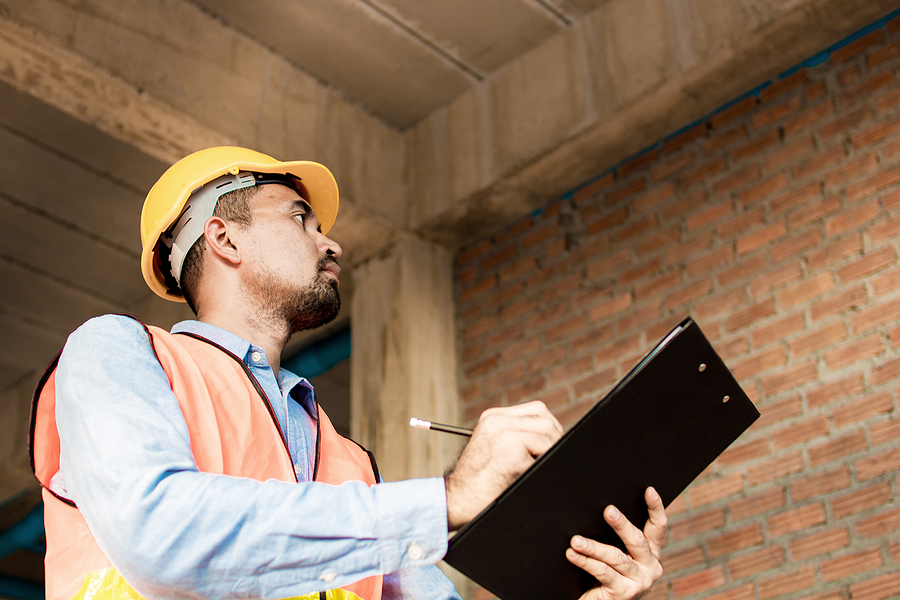
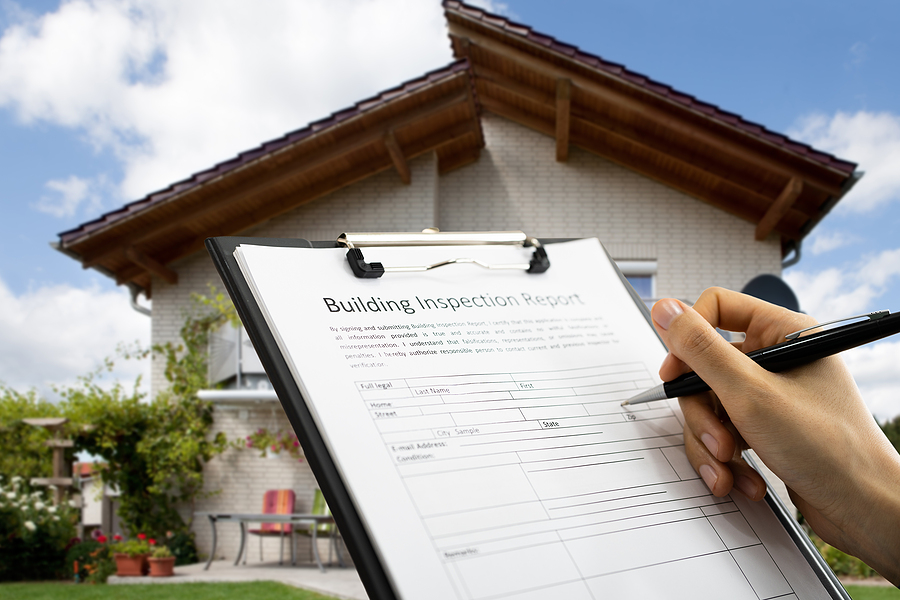
It’s almost impossible to make the right call without seeing the full picture. What looks like a small leak from inside your home could be part of a much larger issue on the roof itself.
That’s why a professional inspection is so important.
A qualified team will evaluate not just the leak, but the overall condition of your roof. They’ll look at materials, structure, and potential weak points that may not be obvious at first glance.
Working with an experienced company like Atlas Roofing and Siding ensures you’re getting a clear, honest assessment. Instead of guessing, you’ll know exactly what you’re dealing with and what makes the most sense moving forward.
Installation Quality and Materials Make a Difference
Another factor that often gets overlooked is how well your roof was installed in the first place.
If the original installation was done poorly, repairs may not hold up the way they should. You could fix one issue only to see another develop nearby.
A full replacement gives you the chance to correct those problems and upgrade to better materials. With proper installation, your new roof will perform as intended and last much longer.
How Interior Damage Can Help Guide Your Decision
What you see inside your home can tell you a lot about what’s happening on your roof. A small water stain on the ceiling might point to a minor issue, but widespread staining, bubbling paint, or soft drywall usually indicates a more serious and ongoing problem.
If water has been getting in for a while, it can affect insulation, wood framing, and even electrical components. At that point, the leak is no longer just a roofing issue. It becomes a larger repair project that goes beyond a simple patch.
When interior damage is limited and clearly tied to a single event, a repair may be enough. But if the damage appears in multiple areas or keeps coming back, it’s often a sign that the roof system as a whole is failing. In those cases, replacing the roof is usually the more reliable solution.
Why Timing Matters More Than Most Homeowners Realize
One of the biggest mistakes homeowners make is waiting too long to act on a roof leak. It’s easy to put it off if the problem seems small, but roofing issues rarely stay small for long.
Addressing a leak early gives you more flexibility. You’re more likely to have the option of a straightforward repair, and you can schedule the work on your terms instead of rushing during an emergency.
Once the damage spreads or worsens, your options become more limited. You may be forced into a full replacement sooner than expected, often at an inconvenient time.
Taking action sooner rather than later helps you stay in control of the situation and protects your home from more extensive damage.
Making the Right Decision for Your Home
Ultimately, the decision comes down to the condition of your roof and your long-term goals.
If the damage is minor and your roof still has plenty of life left, a repair is usually the right move. But if you’re dealing with an aging roof or repeated issues, replacing it can save you time, stress, and money in the long run.
The most important thing is not to ignore the problem. Acting early gives you more options and helps prevent more serious damage.
So, should you repair a roof leak or replace the entire roof? The answer depends on what your roof is telling you.
Small, isolated problems can often be fixed quickly. But when leaks become frequent, or the roof shows signs of widespread wear, replacement becomes the smarter path.
Taking the time to evaluate the situation properly can make all the difference in protecting your home and avoiding costly repairs down the road.
Need Help Deciding What to Do Next?
If you’re dealing with a roof leak and aren’t sure whether to repair or replace, getting expert guidance is the best next step.
Schedule an inspection with Atlas Roofing and Siding. Their team can assess your roof, clearly explain your options, and help you make the right decision for your home.