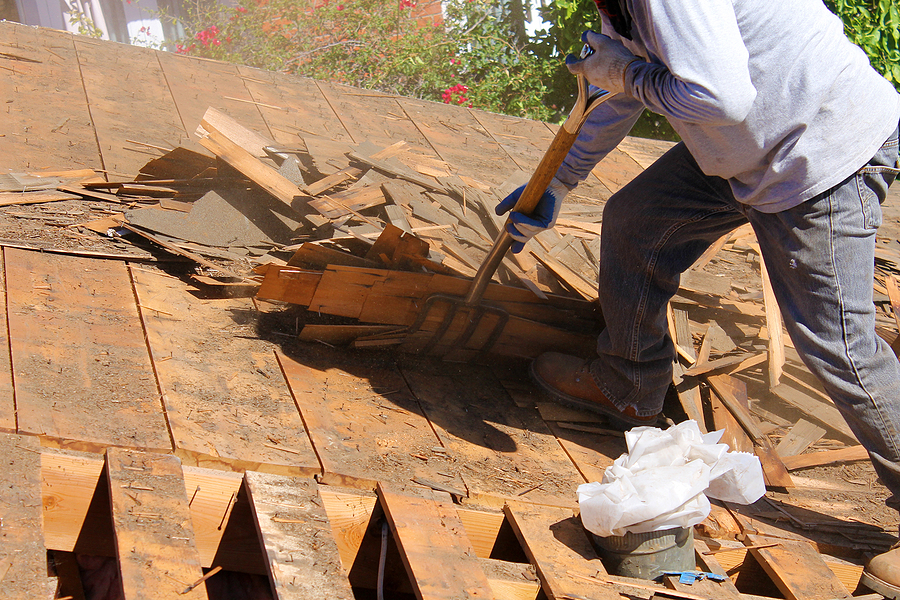

If you are a homeowner dealing with roof damage after a storm, you may have heard the term “roof matching law” come up during the insurance process. This topic causes a lot of confusion, especially when insurance companies approve partial repairs instead of full roof replacements. Understanding how Ohio’s roof matching law works in 2026 can help you protect your property, avoid mismatched repairs, and make more informed decisions after a claim.
At Atlas Roofing & Siding, we regularly help homeowners navigate storm damage repairs and insurance-related roofing questions. One of the most common concerns we hear is simple: “Will my insurance company have to match my roof?” The answer depends on several factors, including state regulations, policy language, and the availability of matching materials.
This guide breaks everything down in clear, practical terms so you know what to expect.
What Is Ohio’s Roof Matching Law?
Ohio’s roof-matching law generally refers to insurance standards that address whether repaired or replaced roofing materials must reasonably match the existing materials in color, quality, and appearance. While the law is not a single statute labeled “roof matching law,” it is rooted in Ohio insurance regulations and fair claims handling requirements.
In simple terms, if part of your roof is damaged, your insurance company cannot always just replace a small section with visibly different shingles and call the job complete. The repair should restore your roof to a reasonably uniform appearance and functional condition.
However, this does not automatically guarantee a full roof replacement. Insurance carriers often evaluate:
- The extent of the damage
- Availability of matching materials
- Policy coverage details
- Age and condition of the roof
These factors play a major role in whether a repair or full replacement is approved.
Why Roof Matching Matters More Than Homeowners Realize
Many homeowners assume that as long as their roof is “fixed,” the job is done. But mismatched roofing materials can create long-term issues that go beyond aesthetics.
Mismatched shingles can impact curb appeal and property value. A roof with obvious patchwork repairs can make a home look poorly maintained, even if the repair was technically covered by insurance.
Different roofing materials can age and perform differently. If new shingles are installed next to older ones, they may weather at different rates. This can lead to uneven wear, future leaks, and additional repair costs.
A mismatched roof can create resale complications. Home inspectors and buyers often notice roofing inconsistencies, which can raise questions about prior damage and repairs.
How Insurance Companies Handle Roof Matching Claims in Ohio
Insurance companies in Ohio are required to follow fair claims practices, but they are also guided by the specific language in your homeowner’s insurance policy. This means the outcome of a roof matching dispute often depends on your policy details more than anything else.
Some policies include matching provisions, while others allow insurers to repair only the damaged portion if functionally sound materials are used. If matching shingles are discontinued or unavailable, this becomes a key point in negotiations.
In many 2026 claims, insurers will attempt to:
- Locate similar shingles from other manufacturers
- Use “close match” materials
- Approve partial slope replacement instead of full roof replacement
This is where working with an experienced roofing contractor becomes extremely important. A professional inspection and documentation can help demonstrate why a proper match is not feasible.
What Happens When Roofing Materials Are Discontinued?
One of the most common scenarios in Ohio storm damage claims is discontinued roofing materials. Shingle manufacturers frequently change product lines, colors, and styles. Even if your roof is only 8 to 12 years old, the exact match may no longer be available.
When this happens, insurance companies may argue that a similar color is sufficient. However, similar does not always mean consistent in appearance, texture, or performance.
If matching materials cannot be reasonably sourced, this may support a case for replacing a larger section of the roof or the entire roofing system. Proper documentation, photos, and contractor reports are critical in these situations.
Ohio Storm Damage and Its Role in Roof Matching Disputes
Ohio experiences strong storms, hail, high winds, and seasonal weather shifts that frequently lead to roofing damage. Hail damage, in particular, often affects multiple slopes of a roof in uneven ways.
This creates a complex situation where one slope may show significant damage while others appear less affected. Insurance adjusters sometimes approve partial repairs based on visible impact zones. However, the overall roofing system may still be compromised.
A professional roofing inspection can identify hidden damage, granule loss, lifted shingles, and structural concerns that are not obvious during a basic insurance inspection.
Steps to Take If You Have a Roof Matching Dispute
If your insurance company approves a repair that will result in a mismatched roof, there are several steps you should take immediately.
1. Review Your Insurance Policy Carefully
Look for language related to matching, uniform appearance, or replacement cost coverage. These sections often determine how much leverage you have during the claim process.
2. Request a Detailed Roofing Inspection
A licensed roofing contractor can provide documentation on material availability, damage extent, and matching limitations. This professional report can support your claim.
3. Document Everything
Take clear photos of all damaged areas, existing shingle color variations, and any visible weathering. The more evidence you have, the stronger your position.
4. Ask About Material Availability Reports
Contractors and suppliers can confirm whether your specific shingle type is discontinued or unavailable. This is often a turning point in matching disputes.
5. Consider a Supplement Claim
If additional damage or matching issues are identified after the initial inspection, a supplement may be submitted to the insurance company for reevaluation.
Common Misconceptions About Roof Matching Laws
There are several myths surrounding Ohio’s roof matching standards that can lead homeowners to make costly assumptions.
One major misconception is that insurance must always pay for a full roof replacement after any storm damage. This is not automatically true. Coverage depends on policy terms and documented damage.
Another misconception is that “close enough” materials are always acceptable. While insurers may attempt to use similar shingles, significant visual differences may still justify further review.
Some homeowners also believe they cannot challenge an adjuster’s decision. In reality, claim determinations can be reviewed, supplemented, or reassessed with proper documentation.
How a Professional Roofing Contractor Can Help
Navigating insurance claims, inspections, and roofing regulations can be overwhelming. This is where experienced roofing professionals play a vital role. A qualified contractor does far more than just install shingles. They help assess damage, identify matching issues, and communicate technical findings clearly.
At Atlas Roofing & Siding, we provide thorough roof inspections, detailed damage reports, and honest recommendations based on your roof’s condition. Our team understands how insurance evaluations work and how to properly document roofing issues that may affect claim outcomes.
We focus on protecting homeowners from incomplete repairs that could lead to long-term structural problems or repeated insurance claims.
2026 Updates and What Homeowners Should Watch For
As insurance practices continue to evolve, many carriers are tightening claim evaluations and focusing more on partial repair approvals. This makes documentation, contractor involvement, and policy awareness more important than ever in 2026.
Homeowners should expect:
- Increased scrutiny on material availability
- More partial repair approvals
- Greater reliance on contractor documentation
- Stricter interpretation of policy language
Being proactive and informed can make a significant difference in the outcome of your roofing claim.
Protecting Your Home After Storm Damage
Your roof is one of the most important structural components of your home. Accepting a poorly matched or incomplete repair can lead to long-term maintenance issues, water intrusion, and reduced property value.
If your roof has been damaged by hail, wind, or severe weather, it is essential to schedule a professional inspection before agreeing to any insurance repair scope. An experienced contractor can help you understand the full extent of the damage and whether a proper material match is possible.
Schedule a Professional Roof Inspection Today
If you are dealing with storm damage, insurance questions, or concerns about mismatched roofing repairs, Atlas Roofing & Siding is here to help. Our team provides expert inspections, honest assessments, and high-quality roofing solutions designed to protect your home for the long term.
Contact Atlas Roofing & Siding today to schedule your inspection and get clear, professional guidance on your roofing claim, repairs, and replacement options. Let our experienced team ensure your roof is properly restored, structurally sound, and visually consistent after any storm damage.
![Our Guide to Ohio Roofing Permits [2026]](https://atlasroofingandsiding.com/wp-content/uploads/Our-Guide-to-Ohio-Roofing-Permits-2026.jpg)