
It’s one of the more frustrating letters a homeowner can receive. You’ve already invested in a new roof, maybe within the last few years, and now your insurance company is telling you it needs to be replaced, or your coverage could be canceled or not renewed.
At first, it feels like a mistake. Could you explain why a newer roof would suddenly be considered a problem?
The answer usually comes down to how insurance companies evaluate risk. Their decision isn’t always based strictly on age. They’re looking at performance, compliance, and potential liability. And sometimes, that evaluation doesn’t line up with the actual condition of your roof.
If you’re dealing with this situation, the most important thing you can do is slow down, understand what’s happening, and take the right steps before making any major decisions.
Why Insurance Companies Flag Roofs That Aren’t Old
Insurance companies don’t just look at how new your roof is. They look at how well it’s expected to hold up, especially in areas that deal with severe weather.
In recent years, many insurers have become more cautious, particularly in states like Florida, where storms, hurricanes, and heavy rain are common. That has led to stricter inspections and tighter guidelines, even for relatively new roofs.
A roof can be flagged for several reasons unrelated to its age. Sometimes it’s about materials. Sometimes it’s about installation. And sometimes it’s simply about incomplete information.
This is where confusion often starts for homeowners. You know your roof is new, but the insurance company is evaluating it through a completely different lens.
Common Reasons a “New” Roof Gets Flagged
Even if your roof was installed recently, certain issues can trigger concern during an insurance inspection. These don’t always mean your roof is failing, but they can raise red flags.
Some of the most common reasons include:
- The roof doesn’t meet current building codes or wind mitigation requirements
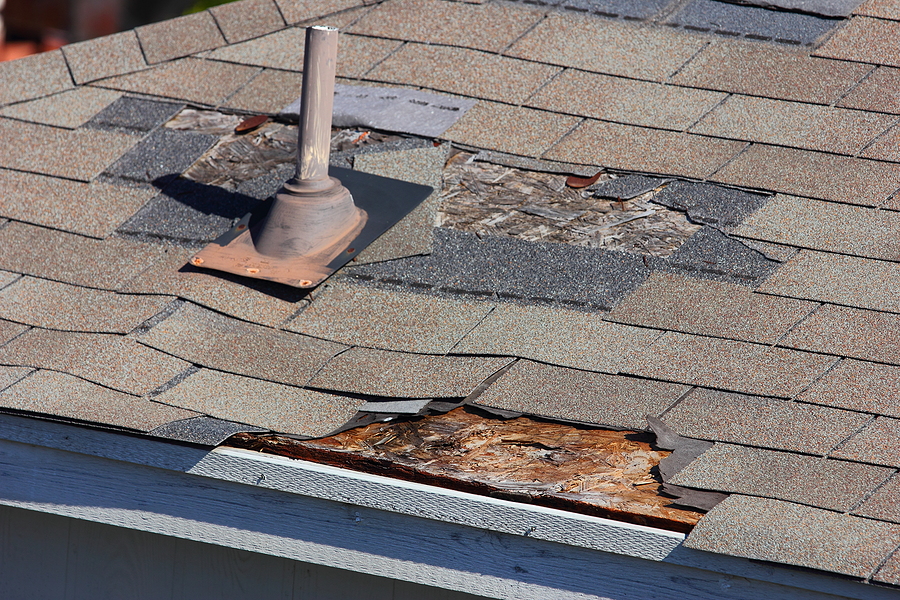
- The inspector noted signs of wear, damage, or poor installation
- The roofing material is considered high-risk by the insurer
- There’s missing or unclear documentation about the roof’s age or installation
- The inspection was limited and didn’t capture the full condition of the roof
In many cases, the issue is not that your roof is “bad,” but that the insurance company lacks sufficient confidence in its performance based on the information available to them.
Insurance Inspections Don’t Always Tell the Full Story
One of the biggest misconceptions is that insurance inspections are as detailed as contractor inspections. In reality, they’re often much more limited.
Inspectors typically work quickly and may rely heavily on visual observations from the ground or brief roof access. They do not always conduct a thorough evaluation of materials, installation quality, or structural integrity.
Because of this, issues can be misinterpreted or overstated. A minor cosmetic concern might be flagged as a bigger problem. Or a newer roof might be mistaken for an older one if documentation isn’t readily available.
This doesn’t mean the inspector is doing anything wrong. It just means their assessment may not reflect the full picture.
Start by Understanding Exactly What the Notice Says
Before you take any action, read the notice from your insurance company carefully. It’s easy to react quickly, but understanding their reasoning is critical.
Some notices are vague, but many include specific language about what triggered the requirement. It could refer to visible damage, age-related concerns, or compliance issues.
If the notice isn’t clear, you can contact your insurance provider and ask for more details. Knowing exactly what they’re basing their decision on will help you respond effectively.
A Professional Inspection Changes Everything
This is the point where you need a second opinion, one that’s more thorough and focused on your roof specifically.
A professional roofing inspection goes far beyond a quick visual check. It looks at the condition of materials, the quality of installation, and any signs of underlying issues that may not be obvious.
Working with a trusted company like Atlas Roofing and Siding gives you a detailed, accurate assessment of your roof. You’ll know whether there are real concerns or if the insurance report may have missed important context.
This step is essential because it gives you a factual foundation to work from instead of relying solely on the insurance company’s initial evaluation.
Why Documentation Matters More Than You Think
If your roof is truly new and in good condition, documentation becomes one of your most important tools.
Insurance companies rely heavily on records when making decisions. If they don’t have clear proof of your roof’s age, installation, and compliance, they may default to a more cautious stance.
Here’s the type of documentation that can help support your case:
- Installation contracts, invoices, or receipts
- Manufacturer warranties
- Permit approvals and final inspections
- Photos showing the roof’s current condition
Having this information organized and ready can make a significant difference when you’re responding to an insurance notice.
You May Be Able to Push Back
If your contractor’s inspection shows that your roof is in good shape, you don’t necessarily have to accept the insurance company’s initial decision.
In many cases, homeowners can submit additional documentation and request a reevaluation. This might involve providing inspection reports, photos, or proof of recent installation.
Sometimes the insurance company will send a second inspector or review the new information internally. Decisions do get reversed, especially when stronger evidence is presented.
The key is to approach it professionally and back up your position with clear documentation.
When Repairs Are Enough to Resolve the Issue
Not every situation leads to a full roof replacement. In some cases, the insurance company’s concern may be tied to a specific issue that can be corrected.
For example, there may be a small problem with flashing, sealing, or a limited section of shingles. Addressing those areas could satisfy the insurance company’s requirements without replacing the entire roof.
A professional inspection will help identify whether this is a realistic option. If the issue is localized, targeted repairs can be a practical and cost-effective solution.
When Replacement Is Still the Right Call
There are situations where the insurance company’s recommendation is valid, even if the roof isn’t very old.
If the roof was installed incorrectly, built with lower-quality materials, or doesn’t meet current standards, replacement may be necessary. This is especially true in areas where building codes have evolved to improve storm resistance.
While it’s not what homeowners want to hear, addressing these issues proactively can prevent more serious problems later. A roof that doesn’t perform well under stress can lead to significant damage during severe weather.
The Florida Factor: Why This Happens More Often Here
If you live in Florida, you’re more likely to encounter this situation than homeowners in other parts of the country.
The insurance market in Florida has become more risk-sensitive due to frequent storms and high claim volumes. As a result, insurers are taking a closer look at roofs, even newer ones.
They’re not just asking, “How old is the roof?” They’re asking, “How likely is this roof to fail during a major storm?”
That shift in thinking has led to more inspections, stricter standards, and more instances in which homeowners are asked to take action sooner than expected.
Ignoring the Notice Can Lead to Bigger Problems
It’s understandable to feel frustrated and want to set the issue aside, especially if you believe your roof is fine. But ignoring the notice can create much bigger risks.
If you don’t respond, your insurance policy could be canceled or not renewed. That leaves your home unprotected, a serious concern in storm-prone areas.
Acting quickly gives you more options. It allows you to gather information, challenge the decision if needed, and maintain control over the outcome.
Why the Right Contractor Makes a Difference
Situations like this aren’t just about roofing. They’re about navigating a process that involves inspections, documentation, and communication with your insurance company.
Working with an experienced team like Atlas Roofing and Siding gives you an advantage. They understand what insurance companies are looking for and can help you present accurate information.
They can also identify whether repairs are enough or if replacement is truly necessary. That level of guidance helps you avoid unnecessary costs while still protecting your home.
What to Expect as You Move Forward
Once you’ve had your roof inspected and gathered your documentation, you’ll have a clearer path forward.
In some cases, the issue will be resolved with updated information. In others, you may need to make repairs or consider replacement to meet insurance requirements.
Either way, you’ll be making decisions based on facts, not assumptions. That’s what puts you in the best position to protect your home and your coverage.
So, what happens if your insurance company says you need a new roof, but your roof is new?
It doesn’t automatically mean you need to replace it. Please take a closer look at the situation, verify your roof’s condition, and provide the right information.
Insurance decisions are based on risk, and those assessments don’t always tell the full story. With a professional inspection and proper documentation, you may be able to resolve the issue without a full replacement.
The most important thing is to act quickly, stay informed, and make decisions that protect both your home and your long-term investment.
Need Help Navigating a Roofing Insurance Issue?
If you’ve received a notice from your insurance company and aren’t sure what to do next, the team at Atlas Roofing and Siding is here to help.
Schedule a professional inspection and get clear, honest guidance. Whether you need documentation, repairs, or a full replacement, you’ll have experienced professionals helping you every step of the way.