
If you’re dealing with an aging roof, you’ve probably asked yourself a simple but important question, “Can I fix this, or is it time to replace it?” Repairs are always appealing because they’re faster and cheaper upfront. But when a roof reaches a certain age, repairs stop being a practical long-term solution.
So, can a roof be too old to repair? Yes, and knowing when you’ve reached that point can save you a lot of money, stress, and repeated problems.
Let’s walk through how roof age affects repairs, what signs to look for, and how to make the right call for your home.
Why Roof Age Is Such a Big Factor
Every roofing system has a lifespan. Even if it looks decent from the ground, materials break down over time due to constant exposure to the elements.
For most asphalt shingle roofs, you’re typically looking at a lifespan of around 20 to 25 years. Some last longer with proper care, while others wear out sooner, depending on weather conditions and installation quality.
As your roof gets older, it becomes less flexible and more fragile. Shingles dry out, seals weaken, and protective layers start to fail. At that point, repairs don’t perform the same way they would on a newer roof.
That’s why age isn’t just a number. It directly affects how well a repair will hold up.
What Actually Happens as a Roof Ages
Roofing materials don’t fail all at once. The decline is gradual, which is why it can be hard to know when you’ve crossed the line from “repairable” to “replaceable.”
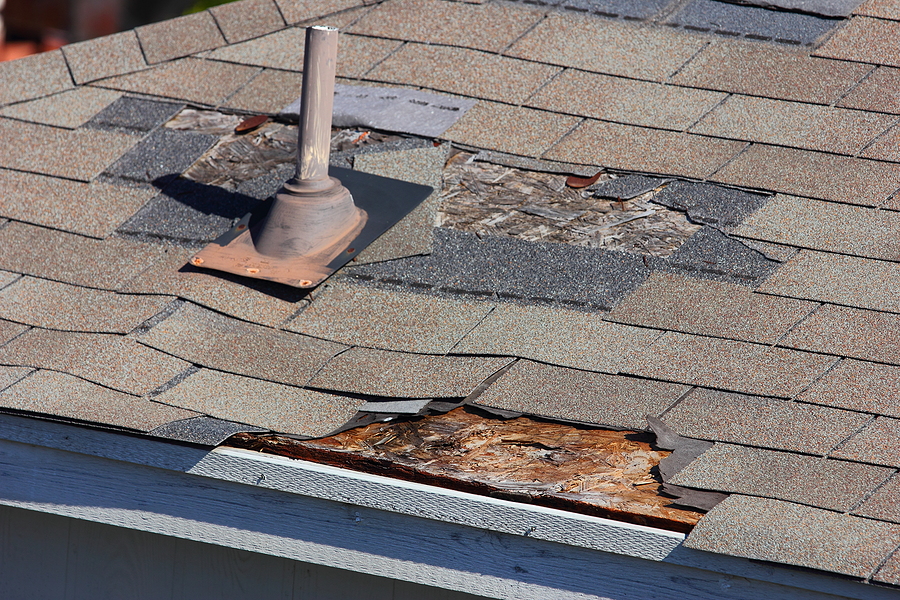
Over time, shingles lose their protective granules, which leaves them exposed to UV damage. They can start to curl, crack, or become brittle. Flashing around vents and chimneys can loosen or corrode, and sealants begin to dry out.
Even if you don’t see major damage right away, the entire system becomes less reliable. A repair might fix one spot, but the surrounding materials may already be close to failing.
That’s when repairs start to feel like a temporary patch instead of a real solution.
When Repairs Still Make Sense
An older roof isn’t automatically beyond repair. There are situations where fixing a specific issue can still be the right move.
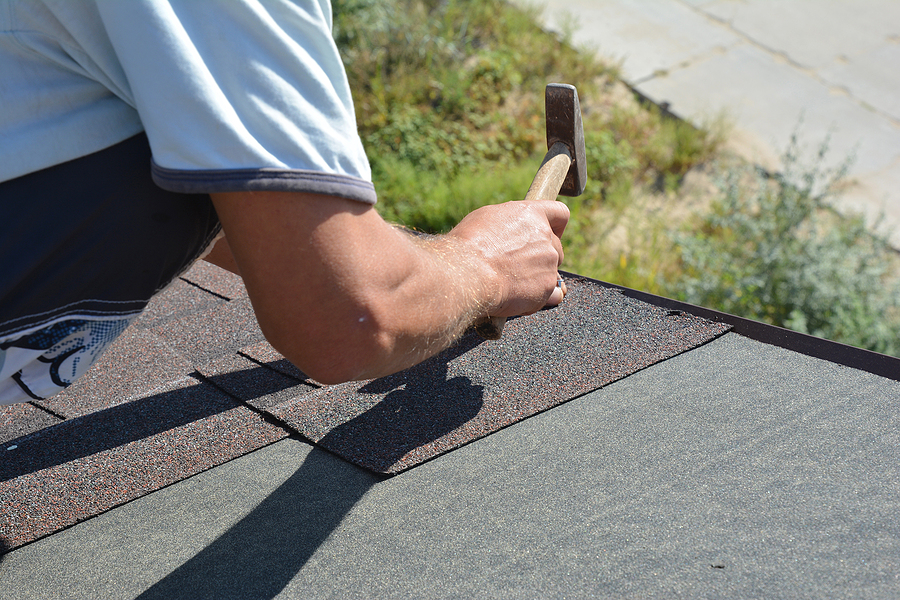
If the damage is small and clearly isolated, a targeted repair can extend your roof’s life for a bit longer. This is especially true if you’re planning a replacement in the near future but need to address an immediate issue.
Repairs can also make sense if the roof’s structure is still solid and most of the materials are holding up well. In these cases, a professional can address problem areas without overhauling the entire system.
The key is understanding that repairs on older roofs are often short-term solutions, not long-term fixes.
Signs Your Roof May Be Too Old to Repair
There’s a tipping point where repairs stop being effective. Instead of solving the problem, they become part of an ongoing maintenance cycle.
Here are some of the most common signs that your roof may be past the point of reliable repair:
- Widespread shingle damage, including curling, cracking, or missing areas
- Multiple leaks are appearing in different parts of the home
- Significant granule loss across large sections of the roof
- Soft spots, sagging, or signs of structural wear
- Repairs that fail or need to be repeated frequently
When you start seeing these issues together, it usually means the roof system as a whole is wearing out. At that stage, replacement becomes the more practical option.
Why Repairs Don’t Hold Up on Older Roofs
One of the biggest challenges with repairing an aging roof is compatibility. New materials don’t always integrate well with old ones.
For example, new shingles may not seal properly to brittle, worn shingles. Even if the repair looks good initially, it may not last because the surrounding materials can’t support it.
This creates a situation where you fix one issue, only to see another problem show up shortly after. Over time, this cycle becomes frustrating and expensive.
That’s why professionals often recommend replacement once a roof reaches a certain level of wear.
The Cost Perspective: Repair vs Replacement
At first glance, repairs are always the cheaper option. But when you’re dealing with an older roof, it’s important to look at the bigger picture.
Repeated repairs can add up quickly. You may spend money fixing leaks, replacing sections, and addressing new issues, only to still need a full replacement later.
A new roof requires a larger upfront investment, but it eliminates the cycle of ongoing repairs. It also provides better protection, improved energy efficiency, and increased home value.
When you consider long-term costs, replacement often makes more sense once a roof reaches the end of its lifespan.
Weather Conditions Speed Up Roof Aging
Where you live plays a big role in how long your roof lasts.
In areas with intense sun, heavy rain, or frequent storms, roofing materials wear out faster. Heat can dry out shingles, while moisture can lead to rot or mold in underlying structures.
If your roof has been exposed to years of harsh weather, it may become too old to repair sooner than expected. This is especially true in regions where storms repeatedly stress roofing systems.
Why a Professional Inspection Is Critical
It’s difficult to determine whether your roof can still be repaired without a detailed inspection. What looks like a small issue from the ground could be part of a much larger problem.
A professional inspection evaluates the entire system, including materials, structure, and potential weak points. This gives you a clear understanding of your roof’s condition and what options make sense.
Working with an experienced company like Atlas Roofing and Siding.
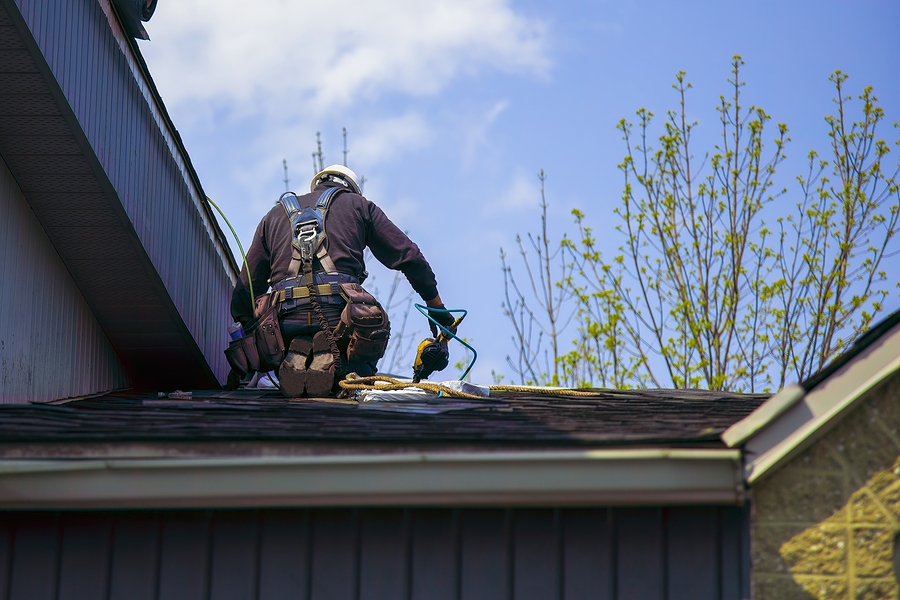
ensures you’re getting an honest assessment. They can help you determine whether a repair will hold up or if replacement is the better choice.
Insurance Can Also Influence the Decision
Insurance companies often factor roof age into their coverage decisions. An older roof may be more likely to be flagged during inspections, especially if it shows signs of wear.
In some cases, insurers may require replacement as a condition of coverage. Even if repairs are technically possible, they may not meet insurance requirements.
This is another reason why replacement becomes more common as roofs age. It’s not just about performance. It’s also about maintaining coverage and protecting your investment.
Planning Ahead Helps You Stay in Control
One of the biggest advantages you can give yourself is planning for a roof replacement before it becomes urgent.
If your roof is nearing the end of its lifespan, starting to prepare gives you more flexibility. You can choose the right materials, schedule the work at a convenient time, and avoid the stress of emergency repairs.
Waiting until the roof is beyond repair often leads to rushed decisions and higher costs.
The Impact of Installation Quality
Not all roofs age the same way. A roof that was installed correctly with high-quality materials will typically last longer and perform better over time.
On the other hand, a poorly installed roof may develop problems much earlier. In those cases, it may become too old to repair sooner than expected, even if it hasn’t reached its typical lifespan.
This is why working with experienced professionals matters from the start.
Making the Right Call
So, can a roof be too old to repair? Absolutely. And when it reaches that point, continuing to invest in repairs usually isn’t the best use of your money.
The decision comes down to understanding the overall condition of your roof, not just the visible damage. If problems are isolated and the structure is still strong, repairs can make sense. But if issues are widespread and recurring, replacement is the smarter path.
The goal is to protect your home and avoid spending money on fixes that won’t last.
An aging roof doesn’t always need to be replaced immediately, but there is a point at which repairs no longer work.
Knowing where your roof stands in its lifespan helps you make better decisions. Acting early can save you from ongoing repairs, unexpected leaks, and larger structural issues.
If you’re unsure, the best next step is a professional inspection that gives you a clear picture of your options.
Need Help Deciding What to Do With Your Roof?
If your roof is getting older and you’re not sure whether to repair or replace it, the team at Atlas Roofing and Siding can help.
Schedule an inspection and get honest, expert guidance. Whether your roof needs a repair or a full replacement, you’ll have a clear path forward with professionals you can trust.