
A few missing shingles after a storm can raise a bigger question: should you pay to repair them yourself, or is it time to contact your homeowners insurance company? When does roof damage qualify for an insurance claim? Generally, a claim may make sense when a sudden event covered by your policy, such as wind, hail, or falling debris, damages the roof. Problems caused primarily by normal aging, neglected maintenance, or gradual deterioration are much less likely to be covered.
The distinction is not always obvious from the ground. A roof can look relatively normal after a severe Central Ohio storm while still having damaged shingles, flashing, vents, or other components. On the other hand, a leak that appears after heavy rain may actually trace back to years of deterioration rather than the most recent storm.
That is why identifying the cause is one of the first steps.
What Types of Roof Damage Are Commonly Associated With Insurance Claims?
Homeowners policies vary, but storm-related roof claims commonly involve sudden events such as high winds and hail.
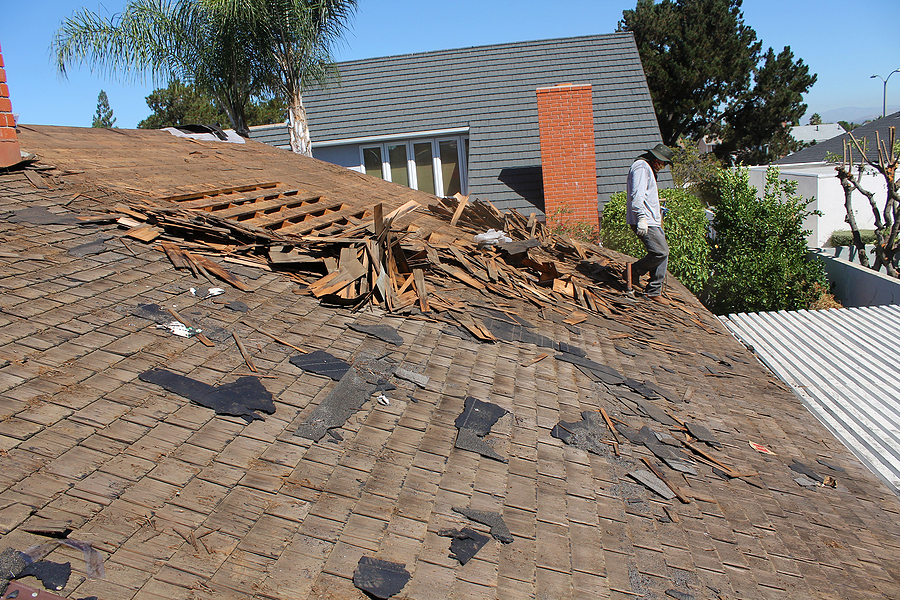
Strong wind can lift, loosen, crease, or remove shingles. It can also damage flashing and expose areas of the roof that were previously protected.
Hail creates a different type of damage. Depending on hail size, wind speed, roofing material, and roof condition, impacts may damage shingle surfaces or other roofing components.
Central Ohio also experiences severe thunderstorms and tornadoes that can send tree limbs and other debris onto homes.
Atlas Roofing & Siding specifically provides inspections for storm and hail damage and documents what it finds so homeowners can better understand their repair options.
Whether the insurer ultimately pays for that damage depends on the individual policy and the circumstances surrounding the loss.
Does a Roof Leak Automatically Qualify for Insurance?
No. A leak alone doesn’t tell you why the roof failed.
Imagine a tree limb comes through the roof during a storm and rain enters through the opening that same evening. That is very different from water slowly entering around deteriorated flashing for several years.
Insurance policies generally cover covered losses, not routine maintenance.
This makes the timeline important.
When did you first notice the problem? Was there a recent wind or hail event? Are shingles missing? Did a branch strike the roof? Is the leak coming from an area that has been deteriorating for some time?
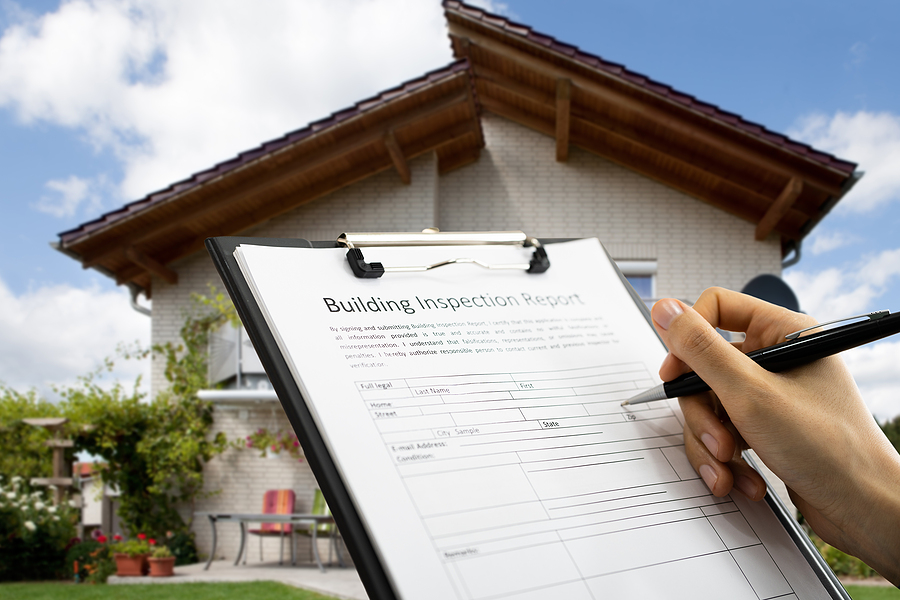
A professional roof inspection can help separate recent storm damage from older problems before you decide how to proceed.
Is an Old Roof Still Eligible for an Insurance Claim?
Potentially.
An older roof doesn’t automatically lose all insurance protection just because of its age. If a covered event damages it, there may still be coverage.
Age can affect how the claim is valued, though.
Some policies provide replacement cost coverage for qualifying roof losses, while others may settle older roofs or roof surfaces based on actual cash value. Actual cash value generally accounts for depreciation, meaning the initial payment can be considerably lower than the price of installing a new roof.
Roof age and pre-existing condition also matter when the insurer determines which damage came from the reported event and which existed beforehand.
For example, widespread shingle deterioration caused by years of weather exposure should not automatically be attributed to last night’s storm simply because the roof began leaking afterward.
What Is the Difference Between Replacement Cost and Actual Cash Value?
This can make a major difference in what an approved roof claim actually pays.
With replacement cost value, or RCV, coverage, the policy may pay the covered cost to repair or replace damaged property without permanently deducting depreciation, subject to the policy’s terms, limits, deductible, and claim procedures.
With actual cash value, or ACV, depreciation is deducted when calculating the covered loss.
For an older roof, that difference can be substantial.
Some replacement-cost policies also issue payments in stages. The insurer may initially pay an amount reflecting depreciation and release recoverable depreciation after the covered work is completed and you submit documentation.
Do not assume your roof receives the same settlement treatment as every other part of the house. Policies can contain special roof endorsements or limitations. Review the declarations page and policy language or ask your insurance professional how roof losses are settled under your specific coverage.
Does Hail Damage Have to Cause a Leak to Qualify?
Not necessarily.
Storm damage does not always create an immediate opening in the roof.
Hail may affect roofing materials without water entering the home that day. Wind can also crease or loosen shingles while leaving them temporarily in place.
Waiting for an active ceiling leak before investigating storm damage can therefore be a mistake.
Atlas Roofing & Siding recommends having suspected storm damage evaluated and documenting affected areas when working with homeowners on insurance-related roofing projects.
If a major hail or wind event has moved through your neighborhood and nearby homes are showing damage, an inspection can tell you much more than looking at the roof from the driveway.
What Roof Problems Usually Aren’t Insurance Claims?
Normal wear is one of the biggest distinctions.
Shingles eventually age. Sealants dry out. Flashing can deteriorate. Ventilation problems may shorten roof life. Moss, neglected debris, and long-standing moisture problems can also contribute to deterioration.
Insurance is not generally a substitute for roof maintenance or replacement at the end of a roof’s normal service life.
Atlas notes that when damage is confined to a small area and the remainder of the roof is still in good condition, a straightforward repair may be appropriate. When a roof is near the end of its useful life or shows widespread deterioration, replacement may make more sense.
That doesn’t mean an older roof can’t have covered storm damage. It means you should evaluate storm damage and ordinary aging separately.
Should You File a Claim for Minor Roof Damage?
Not automatically.
First, find out what the repair is likely to cost and compare that amount with your insurance deductible.
Suppose a storm loosens a handful of shingles and the repair cost is less than, or only slightly greater than, your deductible. Filing a claim may provide little or no insurance payment.
A larger area of legitimate storm damage is another situation entirely.
This is where a professional assessment before assuming you need a complete roof replacement can help. Atlas Roofing & Siding performs roof inspections and can determine whether damage appears isolated or more widespread.
Your insurance company or agent can then explain how your deductible and coverage would apply if you decide to report the loss.
What if the Insurance Adjuster and Roofer Find Different Damage?
It happens.
A contractor and an insurance adjuster look at the roof from different perspectives. The roofer evaluates what is damaged and what’s needed to repair the roofing system properly. The insurer determines which portions of that work the policy covers.
Atlas Roofing & Siding states that it documents storm damage, provides the scope and pricing information insurers need, and can meet with the adjuster when appropriate.
If additional covered damage becomes apparent or the initial scope omits something, you can submit documentation to the insurer for further review.
That does not guarantee a change in the claim decision. It gives the carrier additional information to consider.
What if Only Part of the Roof Is Damaged?
A partial repair may be enough in some cases.
For example, wind might damage shingles on one slope while the rest of a relatively new roof remains unaffected.
Things get more complicated when matching materials aren’t available.
Atlas Roofing & Siding explains that Ohio insurance claims involving discontinued shingles can raise questions about whether a repair can reasonably match the existing roof in color, quality, and appearance. However, Ohio’s matching rules do not mean every partially damaged roof automatically qualifies for complete replacement. Policy language, the extent of damage, available materials, and other circumstances still matter.
An older shingle color that has been discontinued may require more investigation than a current product that can easily be sourced.
How Quickly Should You Inspect a Roof After a Storm?
Soon enough that damage can be documented accurately and temporary protection can be installed if necessary.
If water is entering the house, protecting the property from additional damage becomes the immediate priority. Atlas provides temporary roof tarping for active leaks before permanent repairs can be completed.
For less obvious damage, you still do not want to wait indefinitely.
Insurance policies include requirements for reporting losses, cooperating, documenting, and protecting property from additional damage. The exact requirements and deadlines come from your individual policy.
Take pictures of damage you can safely photograph from the ground. Keep records of the storm date and any emergency work performed.
Do not climb onto a wet, steep, or damaged roof simply to collect pictures for an insurance company. A roofing professional can inspect areas that are not safely visible from the ground.
Should You Repair the Roof Before the Insurance Company Inspects It?
Emergency measures are different from permanent repairs.
If rain is actively entering the house, waiting while additional damage occurs is not a good strategy. Reasonable temporary measures such as tarping may be necessary to protect the property.
Before making substantial permanent repairs, however, contact the insurer and understand its documentation and inspection requirements.
Keep photographs, receipts, damaged materials when practical, and records of emergency expenses.
Replacing the entire roof before the insurer can inspect the reported damage could make it harder to determine what occurred.
What Documentation Helps With a Roof Insurance Claim?
Clear documentation can prevent confusion.
Useful information may include:
- Photographs of damaged shingles and roofing components
- The approximate date of the storm or loss
- A detailed contractor inspection
- Measurements
- A written repair or replacement estimate
- Photographs of related siding, gutter, or exterior damage
- Receipts for temporary repairs
- Previous roofing records when available
Storms frequently affect more than shingles. Hail or wind may also damage siding, gutters, fascia, or other exterior components.
Atlas is a full-service roofing and siding contractor and says its team examines related exterior areas when assessing storm damage rather than focusing exclusively on one visible problem.
That does not mean every mark on the house belongs in the claim. It means you should identify and document legitimate damage from the same event.
Who Decides Whether the Roof Qualifies for Insurance Coverage?
The insurance company determines coverage.
A roofing contractor can inspect the property, identify damage, recommend appropriate repairs, provide an estimate, document conditions, and discuss construction requirements. The contractor does not control the terms of the homeowners policy or guarantee that the insurer will approve a particular scope.
Atlas Roofing & Siding regularly works with homeowners and insurance carriers after storms and provides the documentation and pricing information needed for roofing claims. Keeping those roles clear is important.
Be cautious of any roofing salesperson who claims they can guarantee what the insurer will pay before the carrier has evaluated the claim.
When Does Roof Damage Qualify for an Insurance Claim?
Ultimately, when does roof damage qualify for an insurance claim? The strongest candidates are generally losses tied to a sudden event covered by the homeowners policy, such as wind, hail, or storm-driven debris. Ordinary aging, maintenance problems, and gradual deterioration are different issues and may not be covered.
Before assuming you need to file a claim, find out what actually happened to the roof. Look at the cause of the damage, the extent of the repairs, your deductible, and the roof coverage contained in your policy.
If your Central Ohio home has recently been through hail, high winds, or another severe storm, contact Atlas Roofing & Siding for a professional roof inspection and free estimate. Atlas can identify and document storm damage, provide a detailed repair or replacement scope, and coordinate with your insurance adjuster when needed. Reach out to schedule an inspection in Columbus, Plain City, Marysville, Dublin, Hilliard, Powell, Westerville, or the surrounding Central Ohio area.