
Ohio winters have a way of finding weaknesses in a roof that seemed manageable during warmer weather. A few worn shingles, questionable flashing, or a small leak may not feel urgent in September. Add freezing temperatures, snow, ice, and repeated freeze-thaw cycles, though, and those same problems can become much harder to ignore. Is it better to replace a roof before winter in Ohio? In many cases, yes. If the roof is already nearing the end of its useful life, replacing it in fall can give the home a fresh roofing system before winter weather arrives.
That does not mean homeowners who miss the fall window have to wait until spring. Atlas Roofing & Siding installs roofs during winter when conditions allow. The best decision depends on the roof’s condition, the weather forecast, material requirements, and whether waiting could let existing damage worsen.
Why Is Fall Such a Popular Time for Roof Replacement?
Fall gives roofing contractors something Ohio does not always provide in winter: more predictable working conditions.
Moderate temperatures can make installation easier on crews and roofing materials. There are also usually more stretches of dry weather compared with periods of winter snow, freezing rain, and ice.
For asphalt shingles, temperature matters because the adhesive strips used to seal neighboring shingles rely partly on warmth. Owens Corning notes that shingles installed in cold weather may take longer to thermally seal and may require additional hand sealing, depending on the product and conditions.
Replacing the roof before winter can also give homeowners peace of mind before the first significant snow arrives.
If an inspection already shows widespread wear, there is little benefit in asking an aging roof to handle another Ohio winter simply because it has not started leaking yet.
What Can Winter Weather Do to an Older Roof?
Winter introduces several stresses at once.
Snow adds weight. Strong winds can loosen already vulnerable shingles. Water can work its way into small openings and then freeze as temperatures drop.
One of the better-known winter roofing problems is ice damming. Snow melts on warmer sections of the roof and flows toward the colder eaves, where it can refreeze. As ice builds up, additional water may collect behind it rather than draining normally.
Owens Corning notes that pooled water behind an ice dam can work into vulnerable areas of a roofing system and contribute to moisture damage. Proper insulation, ventilation, underlayment, and ice-and-water protection can all help reduce this risk.
A newer roof does not make a house immune to ice dams, but replacing deteriorated roofing before winter can address weak materials and damaged components that would otherwise face another season of exposure.
What Signs Suggest You Should Replace the Roof Before Winter?
Not every roof showing wear needs immediate replacement. Some can be repaired and safely monitored.
Replacement becomes more reasonable when problems are widespread.
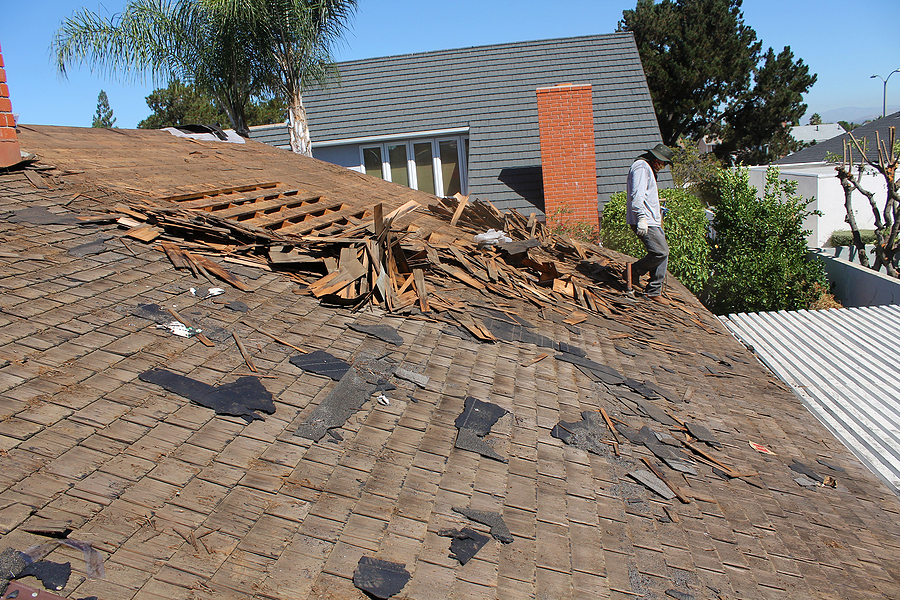
Watch for signs such as missing or badly damaged shingles, recurring leaks, substantial granule loss, deteriorated flashing, soft or damaged decking, or repeated repairs in different sections of the roof.
Age matters too, although it should never be the only factor.
If the roof is already near the end of its expected lifespan and repairs are becoming frequent, putting more money into another temporary fix before winter may not make financial sense.
Atlas Roofing & Siding recommends evaluating the entire roofing system rather than focusing on one visible shingle or leak. Its roof replacement process includes removing the existing shingles down to the deck so it can inspect the underlying structure before installing the new roofing system.
Can a Roof Actually Be Replaced During an Ohio Winter?
Yes.
Atlas Roofing & Siding specifically addresses this question on its site and notes that winter roofing is more common than many homeowners realize. Contractors can complete full reroofs during colder months when they have a workable stretch of weather.
The job planning changes.
Snow, ice, rain, and extreme cold can delay the schedule. Materials must also be stored and handled according to manufacturer instructions.
Owens Corning advises extra care when handling several of its asphalt shingle products below 40°F. Some products also require additional cold-weather installation measures because the factory-applied adhesive may not activate immediately in low temperatures.
So winter installation is possible, but a contractor familiar with the product and cold-weather procedures should handle it.
Is 40 Degrees Too Cold to Install Shingles?
Not automatically.
The number 40°F appears frequently in manufacturer instructions because some shingles and self-adhered roofing components behave differently below that temperature.
For example, Owens Corning states that its WeatherLock underlayment performs best when applied above 40°F. Below that temperature, the underlayment may not fully adhere until conditions warm up.
Some Owens Corning shingle instructions also call for special procedures during installation below 40°F, such as hand sealing perimeter shingles on certain products.
That is why temperature alone shouldn’t be used as a do-it-yourself cutoff point.
The contractor needs to look at the exact roofing product, deck temperature, weather conditions, manufacturer instructions, and forecast.
What Happens if You Wait Until Spring?
Sometimes, nothing significant.
If the roof is in reasonable condition and an inspection shows that it should safely make it through winter, waiting may be perfectly sensible.
The concern is when a homeowner already knows there is a problem.
A small leak can become a much bigger inconvenience if it worsens during a January freeze. Missing shingles can expose additional roofing components. Water entering the attic can damage insulation, decking, drywall, or other materials.
Waiting also means living through winter wondering how the roof will perform during every major storm.
If replacement is already inevitable, completing the project before harsh weather arrives may prevent the cost and frustration of emergency repairs later.
Is It Better to Repair the Roof Now and Replace It After Winter?
That can be a reasonable approach when the problem is localized.
Suppose a small section of shingles was damaged in a recent storm, but the rest of the roof remains in good condition. A proper repair may be all that is needed.
Atlas Roofing & Siding provides both roof repair and full replacement services, so you can choose the scope based on the roof’s actual condition instead of assuming every problem requires a complete tear-off.
Temporary repair becomes less attractive when the roof has multiple issues.
If one section leaks, another has deteriorated flashing, and the shingles across the rest of the roof are badly aged, spending money to keep the system going for a few more months may simply delay the larger expense.
An inspection can help answer that question before winter forces the decision.
Does Roof Ventilation Matter More During Winter?
It certainly becomes noticeable.
Good attic ventilation helps manage temperature and moisture year-round. In winter, excessive heat escaping into the attic can warm parts of the roof and contribute to uneven snowmelt.
This can contribute to ice-dam formation.
Moisture is another concern. Warm indoor air that reaches a cold attic can condense, potentially affecting insulation and wood components over time.
Atlas includes new ventilation as part of its standard roofing-system approach when appropriate rather than treating shingles as the only component that matters.
If you are replacing the roof, it is a good opportunity to have ventilation evaluated at the same time.
What About Ice and Water Protection?
This is particularly relevant in Ohio.
An ice-and-water barrier is a self-adhering underlayment installed in vulnerable areas of the roof. Owens Corning specifically recommends its use at eaves in regions where roofs have experienced ice and water backup.
Atlas Roofing & Siding says its roofing system includes rubberized ice-and-water shield on eaves and valleys along with water-resistant underlayment, flashing, metal edging, and ventilation.
These components are hidden after installation, but they are an important reason to consider a roof replacement as a complete system rather than simply installing new shingles on top.
Will Replacing the Roof Before Winter Help With Heating Costs?
Possibly, but the roof covering itself should not be treated as an energy-efficiency cure.
If the roofing project uncovers ventilation or insulation issues, correcting those problems may improve comfort and help the home perform more efficiently.
Owens Corning notes that proper attic insulation can help keep conditioned air where it belongs while ventilation helps regulate attic conditions.
A homeowner replacing a roof before winter may therefore want the contractor to look at the attic and ventilation setup while access and roofing work are already being planned.
Do not expect new shingles alone to dramatically reduce the heating bill. The larger building envelope matters.
Is Fall Roofing More Expensive Because Everyone Wants It Done?
Pricing depends on much more than the season.
Roof size, pitch, number of layers being removed, decking condition, flashing, ventilation, shingle selection, labor, and other project details all influence the final cost.
Fall can be a busy season because many homeowners want projects completed before winter, so scheduling may become tighter.
That is another reason not to wait until the first hard freeze to request an inspection.
If the roof needs replacement, starting earlier gives you more time to compare materials, review the estimate, ask questions, and schedule the project without feeling rushed by an approaching storm.
Should You Schedule a Roof Inspection Before Winter Even if There Is No Leak?
It can be a smart idea, particularly for an older roof.
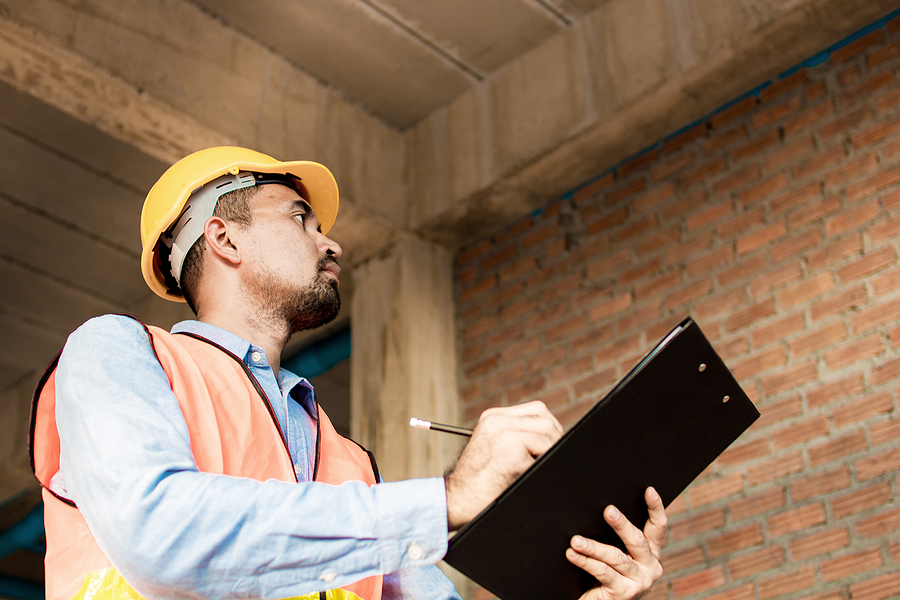
A roof does not have to leak through the ceiling before something is wrong. Damaged shingles, worn flashing, deteriorated sealants, clogged drainage areas, or ventilation concerns may be easier to address before snow covers the roof.
An inspection can also give you an answer you may actually want to hear: your roof is fine and doesn’t need replacement yet.
That is much better than replacing a roof based purely on age or fear.
Atlas Roofing & Siding offers roof inspections and free estimates for homeowners throughout Central Ohio.
Is It Better to Replace a Roof Before Winter in Ohio?
For many homeowners, is it better to replace a roof before winter in Ohio? Yes, especially when the roof already has widespread wear, recurring leaks, or other signs that replacement is approaching. Fall offers more predictable installation conditions and allows the new roofing system to be in place before snow, ice, high winds, and repeated freezing temperatures arrive.
But missing the fall season does not mean you are stuck with a failing roof until spring. Winter roof replacement is possible when weather conditions cooperate, and proper cold-weather installation methods are followed.
The bigger mistake is waiting simply because of the calendar when the roof is already allowing water into the home.
If you are unsure whether to repair your roof now, replace it before winter, or monitor it safely until spring, contact Atlas Roofing & Siding for a professional inspection and free estimate. The company provides roof replacement, repair, and maintenance throughout Union County, Madison County, Columbus, Plain City, Marysville, Dublin, Hilliard, Powell, Westerville, and surrounding Central Ohio communities. Reach out to have the roof evaluated before winter weather makes the decision for you.