
Homeowners in Central Ohio are often surprised to learn just how long their asphalt shingle roof should last. 20 to 30 years is completely normal for asphalt shingles.
Is your roof near that age? How long has it been since you last replaced your roof? If so, it’s time to consider its condition and whether it needs to be replaced soon.
Let’s discuss how long an asphalt roof should last in Central Ohio.
How Long Should an Asphalt Shingle Roof Last?
An asphalt shingle roof should last homeowners in the Midwest **20 to 30 years** when installed properly, ventilated correctly, and maintained routinely. Severe storms, temperature fluctuations, moisture in the roof system, improper installation, and shingle type can shorten or lengthen that time span.
Don’t assume any roof will make it to a certain age. Two roofs installed at the same time can age completely differently based on where they are located. Roof areas exposed to high wind, hail, snow, shade, moisture, and attic heat may not last as long.
What Is the Average Lifespan of Asphalt Shingles?
Asphalt shingle roofs typically last 20 to 30 years. Remember that when discussing lifespan, the entire roofing system matters. Mother Nature also affects how long a roof lasts.
Most roofing manufacturers point to weather, moisture, location, installation, and maintenance when determining how long your roof will stay serviceable.
Architectural shingles are the preferred choice for most homeowners due to their dimensional look and longevity. Just remember, shingles aren’t the only thing that determines the life of your roof.
Underlayment, flashing, ventilation, roof deck, fasteners, and installation workmanship all play important roles.
Your roof turned 25 this year, and you’ve maintained it yearly. It could still very well be protecting your home from the elements.
That doesn’t mean a roof that is only 10 years old couldn’t have problems. What if it wasn’t installed correctly? Or has it been through multiple hail storms?
Why Can Midwest Weather Shorten a Roof’s Lifespan?
Midwest weather can shorten your roof’s lifespan because asphalt roofs go through it all. Hot summers, cold winters, strong winds, heavy rainstorms, snow, and drastic temperature changes.
Roofs in Central Ohio can go through several of these events in just one calendar year.
Temperature changes cause your roofing materials to expand and contract. Roof materials that frequently move like this can become more susceptible to damage.
Cracking can occur, seals can loosen or become exposed, and flashing can deteriorate around edges.
High winds can lift your shingles or tear their seals apart. Hail can punch through the granule surface and bruise the asphalt below.
Heavy, wet snow and ice can also affect weakened roofing materials.
Atlas Roofing & Siding notes that Central Ohio normally experiences hail storms, severe storms, and winds strong enough to lift your shingles. If you wait too long to have your roof inspected, you could run into leak problems down the road.
Roof inspections following severe storms are always recommended. You never want to wait until major damage becomes visible indoors.
What Factors Determine How Long a Shingle Roof Lasts?
Many factors determine your roof’s lifespan. These include roofing system quality, installation, environmental factors, and how quickly you address issues.
Make sure your shingles are high-quality and designed for your home. Roof installation isn’t a diy project; water can get into your walls and cause serious damage.
Poor attic ventilation and inadequate or no insulation can also cause headaches.
Roof slope and design can be a factor. Certain home styles have large roof areas exposed to sunlight, high winds, and hail. Trees that hang over your roof and debris that build up on your roof can retain moisture and cause issues.
Gutters that don’t drain properly or consistently clog can cause drainage issues. Leaks during heavy rains could signal poor gutter performance.
How often you inspect and maintain your roof also plays a big role. Lastly, how were your shingles installed? Were repairs done correctly?
If your roof was installed over damaged wood decking, it could fail early. Damaged or improperly placed fasteners can be the culprit, too.
What happens if your roof is missing flashing? Or your underlayment wasn’t installed correctly? What if your attic isn’t ventilated properly?
You get the point. Too many things can go wrong during roof installation to not hire a professional.
Due to the weather we experience in the Midwest, it’s crucial you choose an experienced contractor local to your area. A contractor who knows how to design and construct a roofing system that can stand up to Mother Nature.
What Are Signs an Asphalt Roof Is Nearing the End of Its Life?
Cracking across most of your roof, curled shingles, missing shingles, exposed fibreglass, regular leaks and bald spots are signs your roof may be nearing the end of its life.
Always consider a roof’s age when discussing roof conditions. Just because your roof isn’t 25 years old doesn’t mean you shouldn’t replace it.
Here are other signs that it may be time to replace your roof.
- Curling or raised edges on your shingles
- Areas where granules are missing, causing bald spots
- Shingles that are cracked, torn, or brittle
- Loose shingles after a storm
- Rusty flashing
- Flashing that has pulled away from your roof
- Dark water stains showing up in your attic
- Soft spots or sagging areas on your roof deck
- Repairs that need to be done every time you look at your roof
Just because your roof lost a few shingles during the last hailstorm doesn’t mean you need a new roof.
If the damage is isolated and the rest of your roof looks good, repairs are recommended. You can repair a storm-damaged roof as long as the surrounding materials are in good condition.
Your roof probably needs to be replaced if leaks are a frequent problem. Also, if you keep having to make repairs every year, it’s time to start saving.
Eventually, repairs will no longer be that dependable long-term solution you’re looking for.
Should You Replace a Roof Before It Starts Leaking?
If your roof is nearing the age where it should be replaced and your inspection shows roof deterioration, go ahead and replace it. You don’t want to wait until you start seeing signs of leaking water everywhere.
That could cause damage to your insulation, roof decking, ceilings, walls, and personal property. Replacing your roof will always cost more.
Depending on your roof’s condition, you may be able to get by with a few repairs. Your roofing contractor should walk you through the roof inspection and explain their findings.
They should also advise you on the best long-term solution for your roof. Is it better to keep making repairs or replace it?
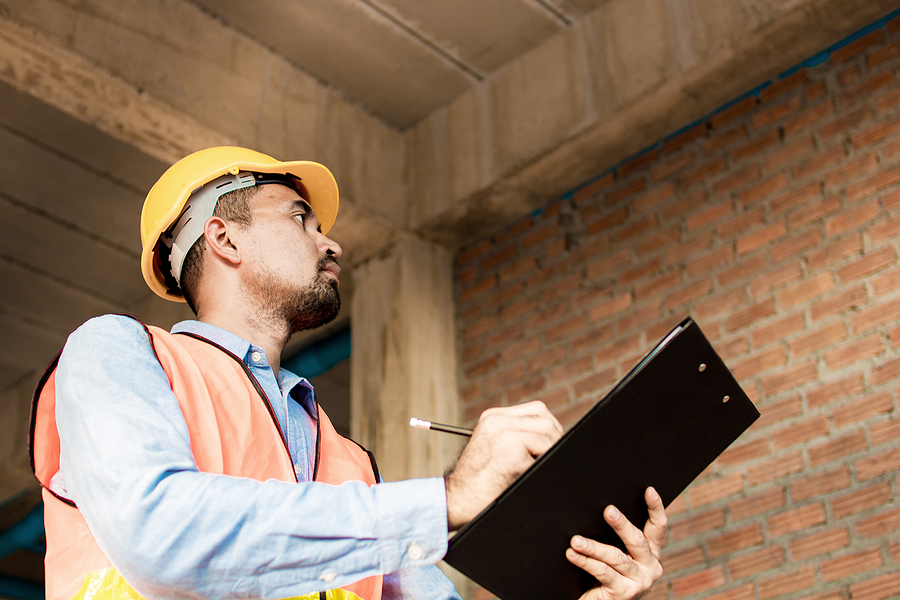
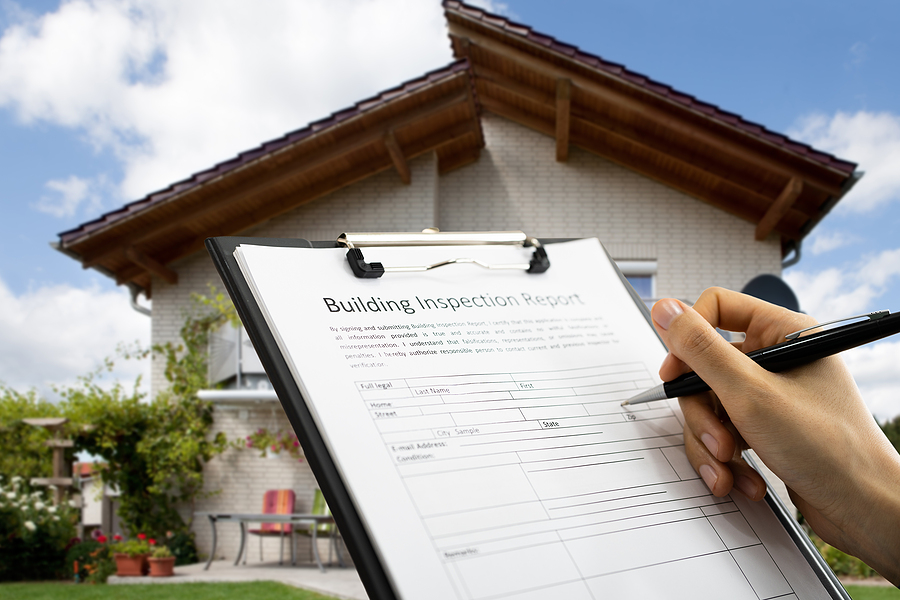
If your roof is getting older, you shouldn’t wait years to have it inspected. Again, age doesn’t mean you need a new roof. It just means you should monitor your roof more closely.
Most roofing companies offer free roof inspections.
How Can Atlas Roofing & Siding Help Extend Your Roof’s Life?
At Atlas Roofing & Siding, we can inspect your asphalt shingle roof, identify areas of concern, and offer maintenance or replacement. We offer residential and commercial roof inspections, roof repairs, preventative maintenance, reroofing, and roof replacement in Central Ohio.
How long should an asphalt shingle roof last? As you can see, there’s no set time limit. With professional installation and year-round maintenance, you can extend your roof’s life.
Contact Atlas Roofing & Siding today to schedule your roof inspection or to request your free estimate in Union County, Madison County, Columbus, or a nearby Central Ohio community.