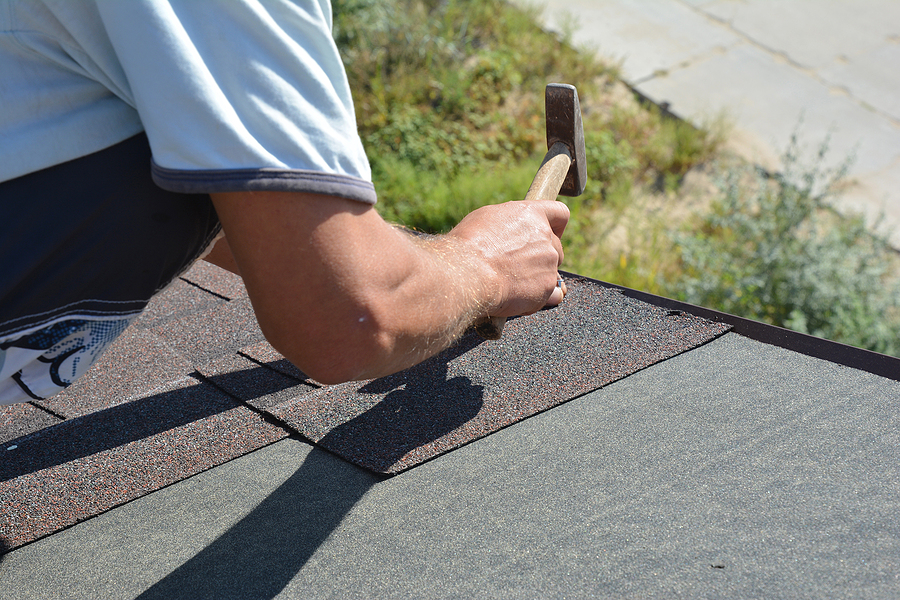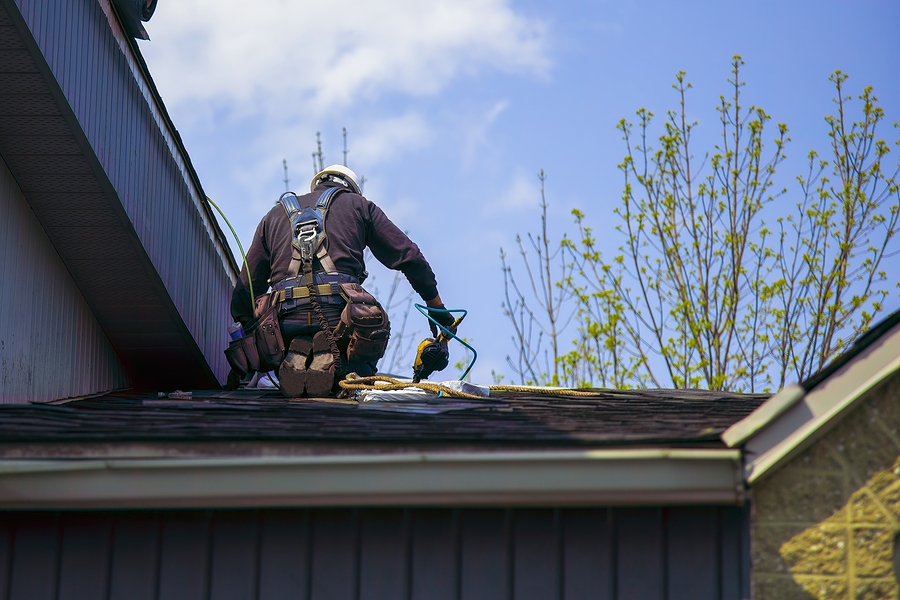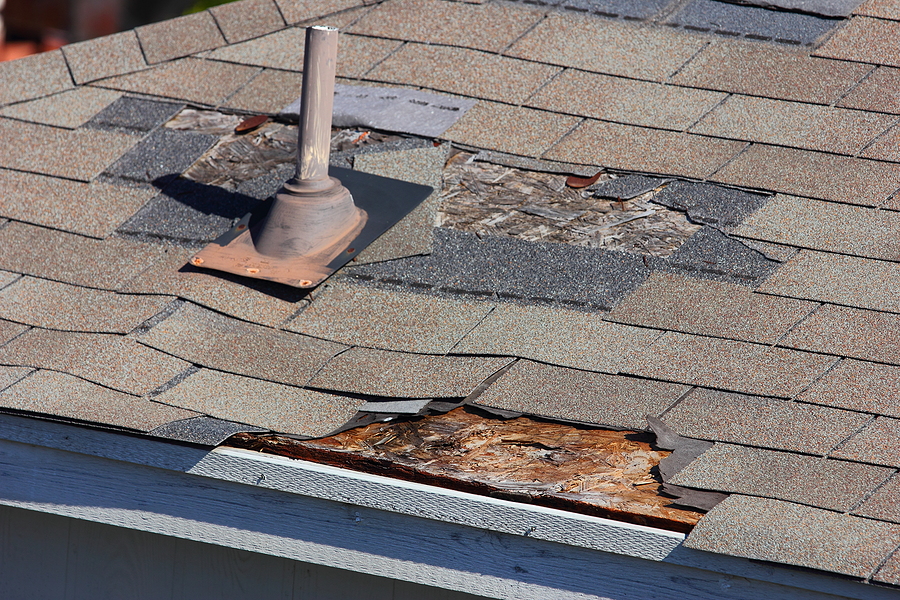

If your roof is showing signs of wear or damage, waiting for the “perfect season” isn’t always an option. You have to act quickly, regardless of the season, to prevent damage to your home. One of the most common questions homeowners ask is, “Can I install a roof during the winter?” The answer is yes. In fact, winter roof installation is far more common than many people realize.
The short answer is yes, you absolutely can. In fact, winter roof installation is more common than many people realize. But as with any construction project, timing matters, and there are a few important factors to consider before moving forward.
In this article, we’ll take a close look at what winter roofing really involves, what to expect, and how to decide if it’s the right move for your home.
Why Winter Roof Installation Is More Common Than You Think
There’s a misconception that roofing can only be done in warm weather. While spring and summer are traditionally busy seasons, professional roofing crews work year-round.
Modern roofing materials and installation methods are designed to perform in a variety of conditions. That means experienced contractors can safely and effectively install a roof even when temperatures drop.
In regions with milder winters, or even in colder climates during workable weather windows, roofing projects continue without issue. The key is working with a contractor who understands how to adjust the process based on temperature and conditions.
The Biggest Factors That Affect Winter Roofing
Not every winter day is ideal for installing a roof. Contractors pay close attention to a few key conditions before starting or continuing work.
Temperature
Temperature plays a major role in how roofing materials behave, especially asphalt shingles. In colder weather, shingles can become less flexible, which makes them more prone to cracking if handled improperly.
Professional installers account for this by storing materials correctly and handling them with care. They may also allow extra time for materials to seal properly once installed.
Snow and Ice
Snow and ice can delay a roofing project, but they don’t automatically prevent it. Roof surfaces need to be clear and dry before installation begins.
If a storm moves through, the project may pause briefly until conditions improve. Safety and proper installation always come first.
Daylight Hours
Winter days are shorter, which means crews have less time to work each day. This can extend the overall timeline of a project slightly compared to summer installations.
That said, a well-organized team can still complete most residential roofing jobs efficiently.
Pros of Installing a Roof During the Winter
While many homeowners assume winter is a disadvantage, there are actually several benefits to scheduling your roof installation during this time.
Faster Scheduling
Spring and summer are peak roofing seasons, which often means longer wait times. In winter, schedules tend to be more flexible, allowing you to get your project started sooner.
Preventing Further Damage
If your roof is already compromised, waiting for warmer weather can lead to bigger problems. Winter storms can worsen leaks, cause structural issues, and increase repair costs.
Installing a new roof sooner helps protect your home from ongoing damage.
Potential Cost Advantages
Depending on demand, some homeowners may find more competitive pricing or availability during the off-season. While this varies, it’s another reason to consider winter installation.
Challenges of Winter Roof Installation
Of course, winter roofing isn’t without its challenges. Understanding these helps set realistic expectations.
Slower Installation Process
Cold temperatures and shorter days can slow things down slightly. Crews may need to take extra precautions to ensure materials are handled properly.
Adhesive Sealing Takes Longer
Asphalt shingles rely on a sealant strip that activates with heat. In colder weather, this process can take longer, meaning the shingles may not fully seal until temperatures rise.
To address this, contractors may use hand-sealing techniques to ensure proper adhesion from the start.
Weather Delays
Winter weather can be unpredictable. Snow, ice, or extreme cold may cause temporary delays, but these are usually short-lived and managed carefully.
What Types of Roofing Work Best in Winter?
Not all roofing materials perform the same in cold weather, but many are still suitable for winter installation.
Asphalt shingles are the most common residential roofing material and can be installed in winter with proper handling. Metal roofing is another excellent option, as it’s less affected by temperature during installation.
Flat roofing systems and specialty materials may require more specific conditions, so it’s important to discuss options with your contractor based on your home and climate.
Why Contractor Experience Matters Even More in Winter
Winter roofing is not a DIY project, and it’s not something every contractor handles the same way.
An experienced roofing company understands how to:
- Store and handle materials in cold conditions
- Adjust installation techniques to prevent damage
- Monitor weather patterns and plan accordingly
- Ensure proper sealing and long-term performance
This level of expertise is what makes the difference between a successful winter installation and one that leads to issues later.
At Atlas Roofing & Siding, winter projects are handled with the same attention to detail and precision as any other time of year. The process is adapted to the conditions so your roof performs exactly as it should.
Is Winter the Right Time for Your Roof?
The best time to replace your roof isn’t always about the season—it’s about the condition of your current roof.
If you’re dealing with:
- Active leaks
- Missing or damaged shingles
- Signs of structural wear
- Age-related deterioration
Waiting until spring may not be the best option. Addressing the issue sooner can prevent more extensive damage and higher costs down the line.
On the other hand, if your roof is still in good condition and you’re planning ahead, you may have more flexibility in choosing when to proceed.
How to Prepare for a Winter Roof Installation
If you decide to move forward with a winter project, there are a few simple ways to prepare.
Clear access around your home so crews can move safely and efficiently. Be mindful of snow or ice buildup near entry points and walkways. It’s also helpful to communicate with your contractor about scheduling and any potential weather-related adjustments.
Inside your home, you may notice some noise and vibration during installation, just like any roofing project. Planning for that in advance can make the experience smoother.
How Cold Weather Affects Roofing Materials Over Time
One thing many homeowners don’t realize is that winter doesn’t just affect the installation process; it also impacts how roofing materials perform immediately after installation.
In colder temperatures, materials like asphalt shingles can take longer to settle into place fully. The adhesive strip that bonds shingles together is heat-activated, so instead of sealing instantly, it may take a few warmer days to adhere completely. This doesn’t mean your roof is vulnerable; it just means the final sealing process happens a bit more gradually.
Roofing professionals account for this by using techniques like hand-sealing shingles during installation. This ensures everything stays secure even before temperatures rise enough for the adhesive to activate naturally.
It’s also worth noting that once the roof has fully sealed, it performs just as well as one installed in warmer months. The long-term durability and protection are not compromised simply because the installation took place in winter.
Emergency Roof Replacements Don’t Wait for Spring
Sometimes, the question isn’t whether winter is ideal, it’s whether you have a choice.
If a storm has damaged your roof, it is actively leaking, or has reached the end of its lifespan, delaying replacement can lead to much bigger problems. Water intrusion during winter can quickly cause damage to insulation, drywall, and even the structural components of your home.
In these situations, waiting for spring can turn a manageable roofing project into a much more expensive repair.
Winter installations are often the best solution when timing is critical. A professional roofing team can assess your roof’s condition and act quickly to prevent further damage, even in cold weather.
This is especially important in areas where winter storms bring snow, ice, and freeze-thaw cycles that can worsen existing issues.
Planning Ahead: Using Winter to Get Ahead of Peak Season
Even if your roof isn’t in immediate danger, winter can be a strategic time to move forward with a replacement.
By scheduling your project during the off-season, you can avoid the rush that typically comes in spring and summer. This often means more flexible scheduling and a smoother overall process, since crews aren’t juggling as many projects at once.
It also gives you peace of mind heading into the next storm season. Instead of worrying about whether your roof will hold up, you’ll know your home is already protected.
For homeowners who like to plan ahead, winter installation can be one of the most convenient times to take care of a major upgrade like a new roof. It allows you to get everything done before demand spikes, so you’re not competing for availability when everyone else starts thinking about roofing projects.
Ready to Get Started?
So, can you install a roof during the winter? Yes, and in many cases, it’s a smart decision.
While there are a few additional considerations, experienced contractors have the tools and knowledge to handle winter conditions effectively. The result is a durable, properly installed roof that protects your home year-round.
The most important factor isn’t the season; it’s choosing the right team to get the job done correctly.
If your roof needs attention, there’s no reason to wait for warmer weather. Atlas Roofing & Siding provides professional roofing services for projects in any season, including winter.
Contact Atlas Roofing & Siding today to schedule your consultation and ensure your home is protected, no matter what the forecast brings.